A fire can go from “small” to “bad” fast, even with protection in place. In March 2022, a 1.2 million sq ft fulfillment center in Indiana was totally lost despite sprinklers. That kind of outcome usually comes down to more than bad luck, it comes down to choosing the right suppression method for the fire you’re most likely to face.
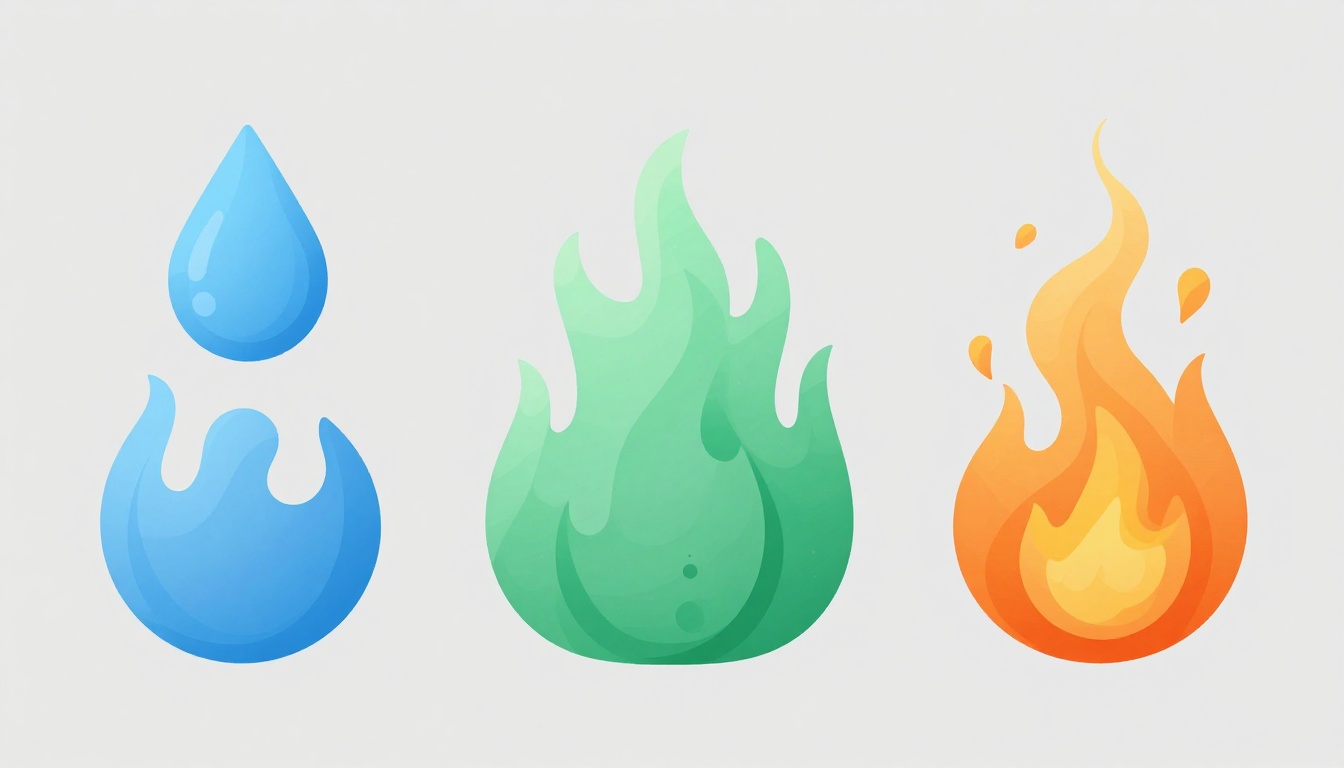
Most buildings use one of three approaches: water systems, foam systems, or gas systems. Water cools and soaks. Foam blankets and cuts off fuel. Gas disrupts combustion or removes oxygen. Because these systems work in different ways, they also have different strengths, risks, and cleanup impacts.
If you manage a home, a warehouse, a lab, or a data center, getting “water vs foam vs gas fire systems” right can mean lower damage, faster recovery, and fewer surprises during inspections. Next, you’ll see how each system works, where it shines, where it falls short, and how to pick the best fit for your hazards.
How Water-Based Systems Cool Down Everyday Fires
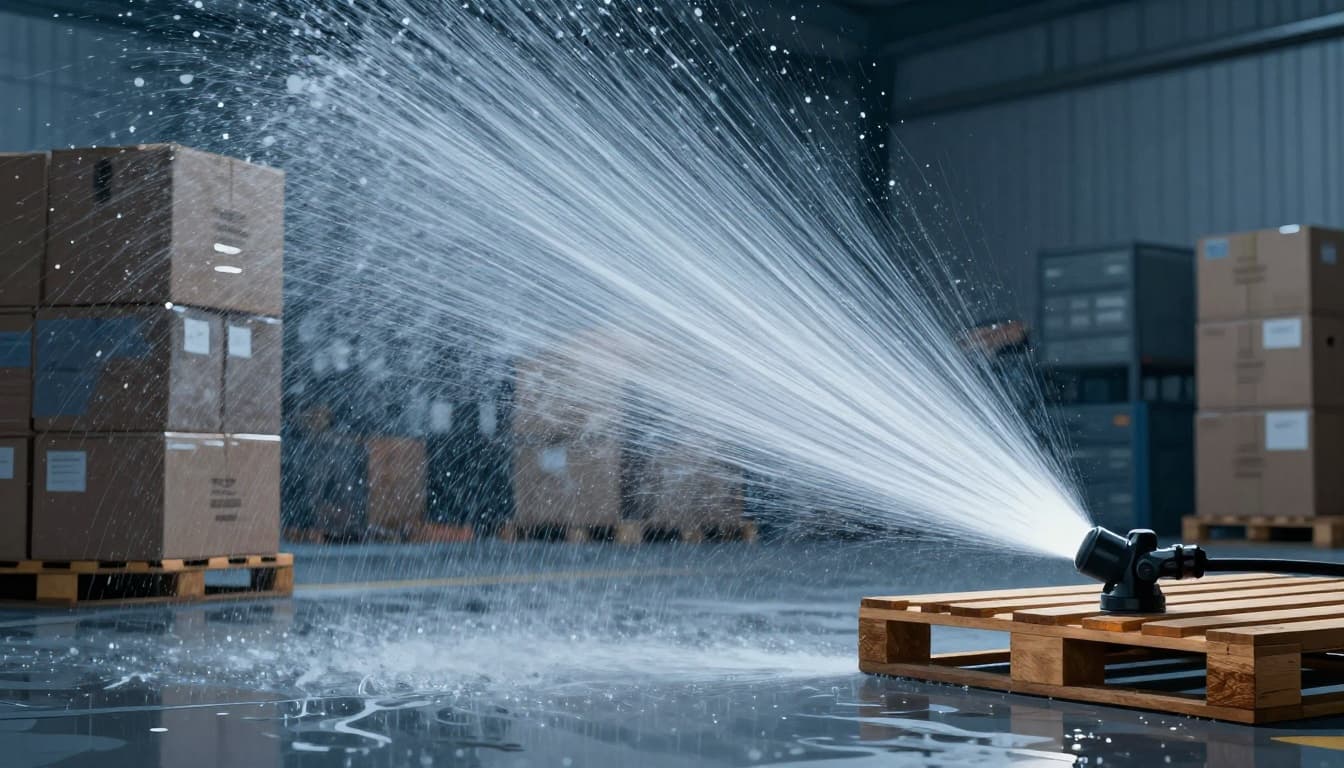
Water-based systems are the most common form of fire suppression. They work by spraying water droplets onto burning materials. Those droplets cool the fuel below its ignition point. In many cases, they also soak nearby surfaces, which helps prevent re-ignition.
In everyday life, this is the idea behind a hose and a bucket. It’s like a summer rain putting out a campfire. Water takes heat away. Then, the fire runs out of the conditions it needs to keep burning.
Most people picture standard sprinklers. However, modern systems also include water mist designs. Water mist uses much smaller droplet sizes. That helps improve heat removal in some settings, especially where you want less water damage than a traditional spray system. For background on how water mist systems are designed and used, see Water mist systems overview (NFPA).
Water-based systems are typically a strong match for Class A fires. These involve ordinary combustibles like wood, paper, and many types of textiles. They’re also common in homes, offices, and warehouses that store regular goods.
Still, water isn’t magic. It can create major damage when sensitive equipment gets wet. It also doesn’t perform well on many electrical fires or fires involving certain flammable liquids. In cold climates, you also need freeze protection, or risk system failure.
A major trend is broader use of water mist to reduce collateral damage while keeping strong cooling ability. UL’s work on water mist protection in homes is a good example of how the industry is adapting water-based tech for new constraints. Read Water Mist Fire Protection for One and Two Family Homes for more context.
Pros, Cons, and Real-World Wins
Here’s the practical trade-off most owners end up weighing: water is dependable and affordable, but the cleanup can hurt.
| Category | Water-based systems |
|---|---|
| Best for | Class A fires (wood, paper, many combustibles) |
| Strengths | Low cost, familiar design, widely supported in codes |
| Common win | Early control in offices and warehouses with mixed storage |
| Key limits | Not ideal for electrical or many flammable liquid hazards |
| Cleanup risk | Water damage to gear, inventory, and sensitive materials |
Pros
- Lower cost to install and maintain.
- Uses a well-known approach that many fire departments expect.
- Can be automatic, so people do not need to intervene.
Cons
- More water damage after discharge.
- Can spread or worsen certain hazards, like some liquids.
- Requires special protection for freezing conditions.
One real-world lesson: even when sprinklers do the job, cleanup can be expensive. That’s why system design, layout, and hazard classification matter as much as the agent.
Foam Systems: The Go-To for Taming Flammable Liquids
Foam systems exist because some fires don’t behave like wood and paper fires. When you have flammable liquids (Class B hazards), water may cool a surface, but it often won’t stop the fuel from continuing to burn. Foam attacks the fire differently.
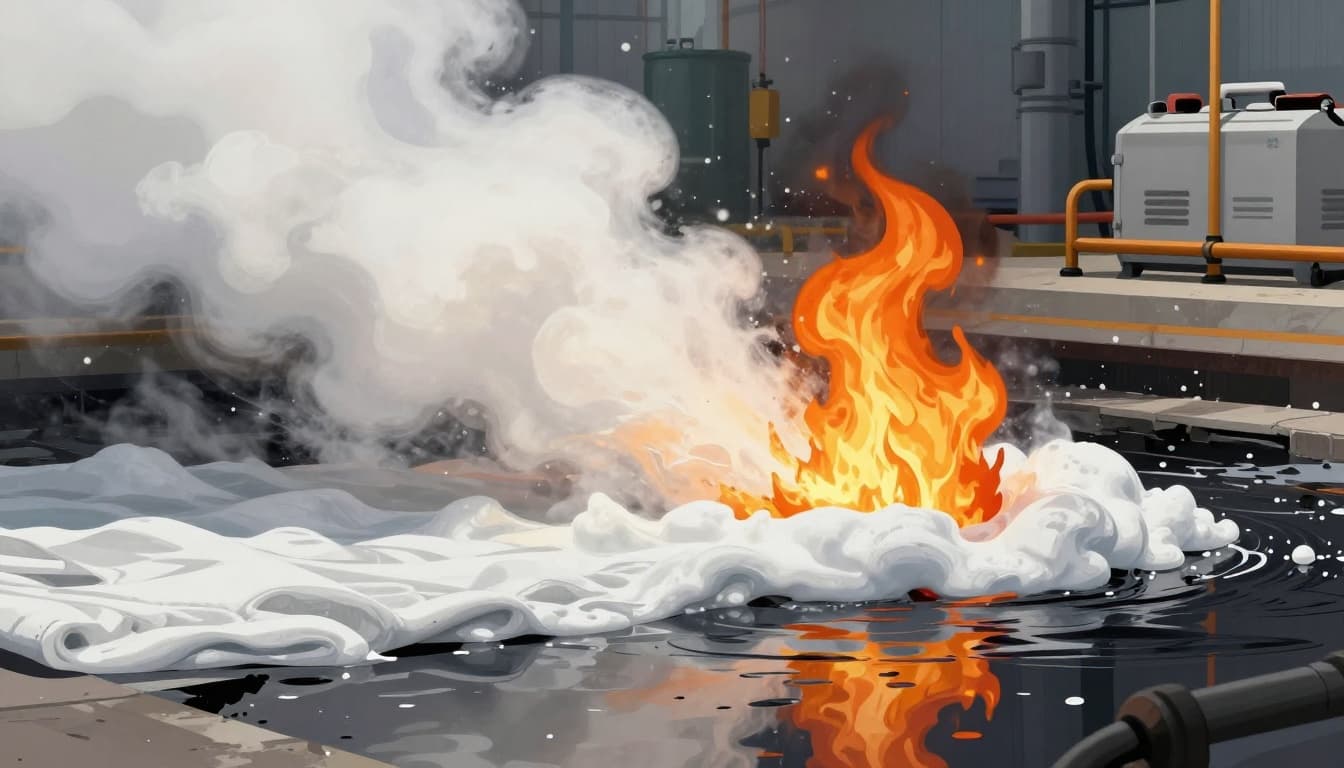
Foam is made by mixing a foam concentrate with water and introducing air. The result is a thick blanket that covers the burning liquid. That blanket cuts off oxygen, helps cool the fuel surface, and adds a protective seal that reduces vapors escaping.
Foam systems are commonly associated with fuel spills, chemical processing, and areas where liquids sit in tanks or piping. They’re also used at airports because fuel fire risks are real and fast-moving.
One reason foam matters is re-ignition. With a Class B fire, the goal is often to stop the burn and keep the liquid from restarting. Foam typically does a better job than water at preventing flare-ups once the fire is knocked down.
When Foam Shines and Where It Falls Short
Foam shines when your hazard list includes gasoline, solvents, and other flammable liquids. It can also be a safer choice when you want to avoid spreading some liquid fuels.
However, foam isn’t free of downsides:
- Setup and ongoing costs can be higher than basic water systems.
- Foam discharge can be messy, which increases cleanup and recovery work.
- Foam quality matters. Systems need proper testing and service.
- Some foam types irritate skin, and workers must follow handling rules.
It’s also worth watching the eco shift in foam formulations. In recent years, older fluorinated foams (PFAS-based) have faced tight restrictions because of health and environmental concerns. For 2026, the direction is clear: many sites are moving toward fluorine-free foams, such as SFFF/F3 alternatives, and updating hardware when foam compatibility requires it.
For example, the industry is responding to 2026 deadlines in specific sectors, including ships, airports, and other high-scrutiny operations. If you’re responsible for foam compliance, you may need to confirm your system against current guidance and foam manufacturer requirements.
As a simple example of where foam shows up well: foam used for airport runway incidents can suppress a fuel spill fire quickly. That speed can reduce time for the fire to spread to other fuel loads.
Gas Systems: Clean Suppression for Sensitive Spaces
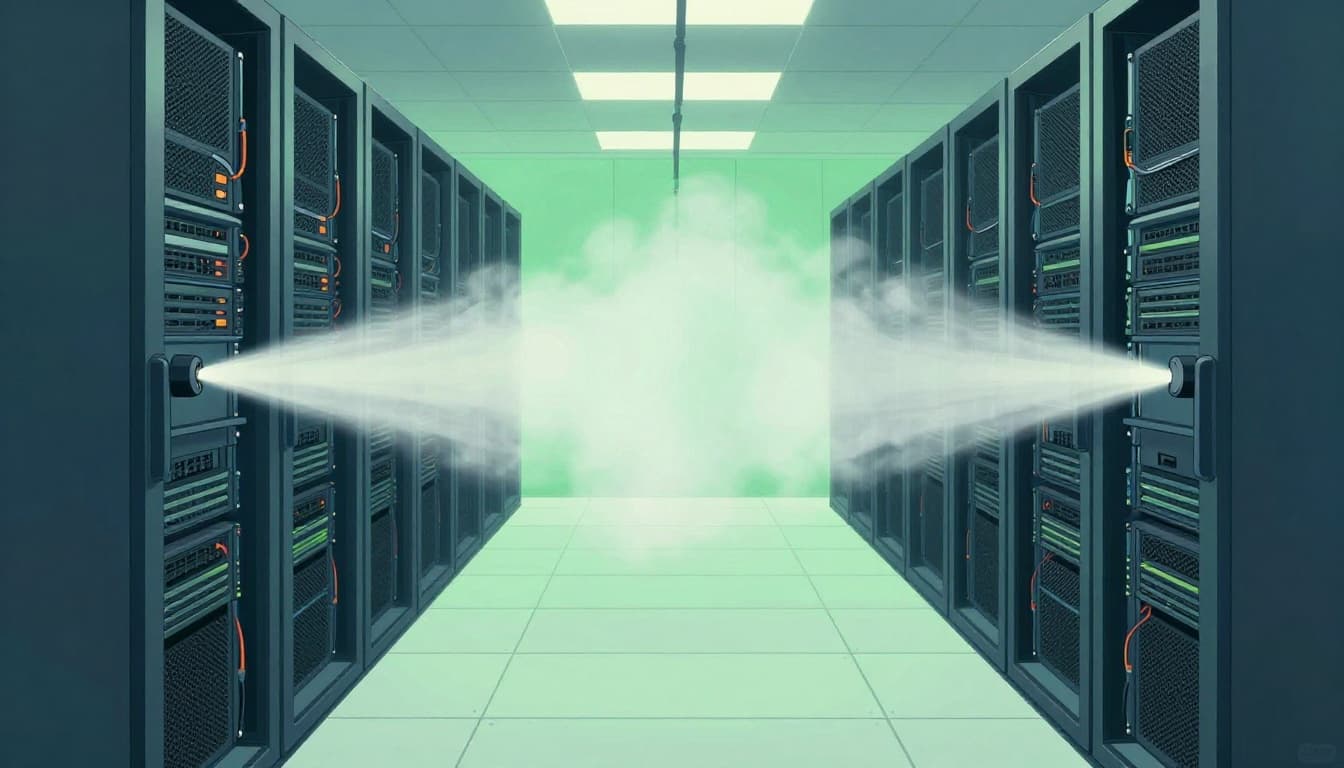
Gas suppression systems are designed for places where water damage is hard to accept. That includes data centers, server rooms, museums, archives, and certain control rooms.
Gas systems work by changing the conditions of the fire. Inert gases flood the space to reduce oxygen. Clean agents work by disrupting the combustion process. Either way, the goal is to stop the chain reaction of burning.
Unlike water and foam, gas releases usually leave little to no residue. That means less cleanup and less corrosion risk for electronics. It’s one reason these systems are popular when uptime matters.
Clean agents you might hear about include Novec 1230, and inert blends like IG-55. In many designs, the system also aims to keep the agent non-conductive, which matters around electrical equipment.
Gas does have limits:
- It can be expensive, especially for cylinders, valves, and engineered coverage.
- It can create an asphyxiation risk if people are inside without proper safety controls.
- It offers less cooling than water, so very hot fires can still be challenging.
- It often requires room integrity and proper ventilation planning.
Data centers in particular treat fire protection as part of uptime strategy. Johnson Controls highlights the idea that protection must reflect airflow, mission needs, and the agent choice for collateral damage. See Fire protection of data centers for a practical overview of how facility teams think about the trade-offs.
Safety First with Gas Deployment
Gas systems are “clean,” but they’re not casual. The biggest safety issue is oxygen reduction. Systems usually rely on:
- detection alarms,
- trained procedures,
- evacuation or controlled discharge depending on the design,
- and strict maintenance to prevent leaks.
Also, many gas agents are regulated by how they affect the atmosphere. High-GWP fire gases are under pressure to reduce climate impact. In the US, rules tied to the AIM Act and EPA requirements are tightening service and release practices.
As of 2026, there are key changes for certain HFC systems, including a focus on avoiding venting during install and service, and using recycled HFCs for new charges in many cases. That means more documentation and more strict technician training for owners.
A good design can stop a server-room fire quickly. The bigger point is this: the system must match the room layout, the people workflow, and the hazard profile.
Water vs Foam vs Gas: Match the Right Tool to Your Fire Risk
If you think of fire suppression like choosing sports gear, it makes more sense. You wouldn’t use ski boots for a basketball game. Likewise, you don’t pick an agent based on what you already have.
The key is matching the suppression method to the fire class and the real-world risk inside your space.
| Fire risk type | Typical best match | Why it fits |
|---|---|---|
| Class A (wood, paper) | Water (spray or mist) | Cooling and soaking reduces ignition |
| Class B (flammable liquids) | Foam | Blanket + vapor control for liquid fuel fires |
| Class C (electrical) | Gas or specialized options | Gas avoids water exposure to energized gear |
However, real buildings often have mixed hazards. A warehouse might store wood pallets, and also have oils or machinery. An industrial area might include both electrical gear and flammable solvents. In those situations, designers may use multi-hazard planning, zoning, or even hybrid approaches.
Water often stays the baseline for general combustibles. Foam often gets added when you store liquids. Gas often appears when you must protect equipment from moisture and residue.
Maintenance also differs:
- Water systems can be simpler mechanically, but need good valve testing and freeze protection.
- Foam systems often need foam quality testing and parts compatibility checks.
- Gas systems need pressure checks, cylinder integrity, and strict leak control.
For a side-by-side look at how gas suppression compares with water mist, Marioff’s comparison is one useful reference point. It also covers common assumptions people make about evacuation and airtight spaces. Read Gas-based fire suppression vs. water mist for that context.
Cost Breakdown and Long-Term Savings
Costs vary based on room size, hazard layout, and local code requirements. Still, the pattern is consistent:
- Water usually has the lowest installation and material costs.
- Foam tends to cost more because it needs concentrate handling and specialized discharge systems.
- Gas is often the highest upfront, but can save money by preventing water damage and data loss.
Long-term savings usually come down to what you’re trying to protect. If your failure cost is cleanup, water-based may be fine. If your failure cost is lost uptime or destroyed electronics, gas can pay off.
Eco rules also matter in 2026. Foam types are shifting away from certain fluorinated chemistries, and fire gas handling rules are getting stricter. You may not just buy an agent, you may also need to update procedures, parts, and inspections.
Quick Decision Chart for Your Needs
Use these questions to narrow your choice fast:
- Is the main risk wood, paper, or similar solids? Water systems usually fit.
- Is the main risk a fuel spill or flammable liquid tank? Foam is typically the better match.
- Is the main risk energized equipment where water damage is unacceptable? Gas systems are common.
- Do you have mixed hazards? Talk through zoning and multi-hazard design.
If you want a standards starting point, check a directory of NFPA codes so your team knows what to reference during planning and inspections. For a consolidated list, see Complete List of NFPA Standards and Codes.
Conclusion
Fire suppression is not one-size-fits-all. Water targets cooling and soaking for Class A fuels. Foam blankets flammable liquids to slow vapors and prevent flare-ups. Gas protects sensitive electronics with clean discharge and tightly controlled safety steps.
Your best choice comes from two things: the hazard you’re most likely to face, and how much damage you can tolerate if the system discharges. Because codes and agent requirements keep changing, especially in 2026, plan around current rules and manufacturer guidance.
If you’re deciding between water vs foam vs gas for your facility, share your situation in the comments. What do you store or protect, and where would cleanup hurt most?