Cooking fires, clogged dryers, and faulty wiring can turn into danger fast. In recent NFPA and USFA data, cooking causes about 48.7% of home fires, while electrical problems account for about 6.9%. Those numbers are a wake-up call, but they also point to good news: fire prevention is mostly common sense you can practice daily.
Fires start when a few things line up. In the next sections, you’ll learn how to disrupt that pattern using the fire triangle, how to spot hazards before ignition happens, and which tools help you respond early. You’ll also see why simple training and escape planning can make a huge difference.
The best part? These basics are easy to apply at home and at work, and the core rules haven’t changed just because 2026 updates improved some equipment and alarm details. Start with the simplest model first, and everything else gets easier.
Why Every Fire Needs Fuel, Heat, and Oxygen to Start
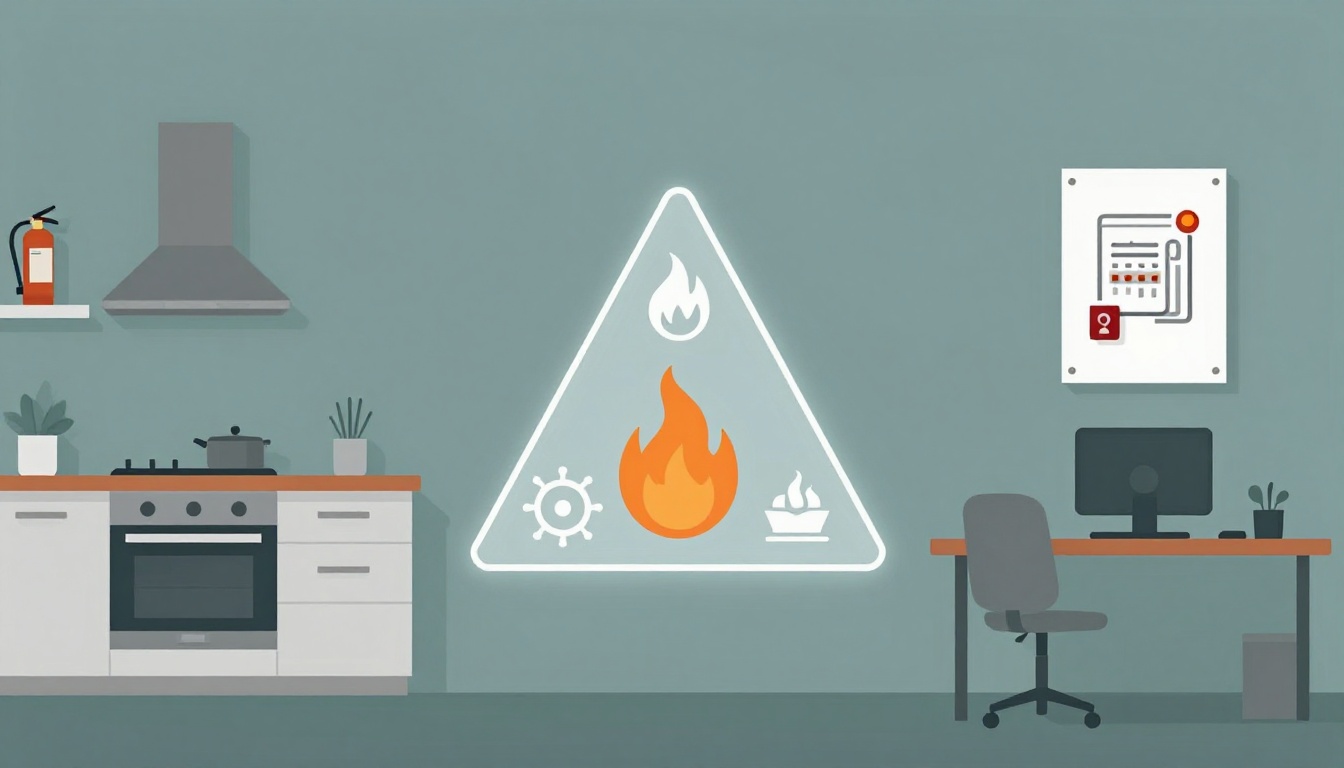
Think of fire like a three-part recipe. Take away one ingredient, and the “recipe” fails.
Here’s the classic fire triangle:
- Fuel: what can burn (paper, wood, grease, gas)
- Heat: what starts combustion (flame, hot tools, sparks)
- Oxygen: what lets burning continue (air)
If you’ve ever seen a candle next to a curtain, you already understand it. The curtain is fuel. The flame adds heat. Air makes the fire grow.
Most prevention steps aim at one of these parts. For example, if you store flammables away from heaters, you reduce heat exposure. If you clean up grease buildup, you reduce fuel. If you use a lid to smother a small pan fire, you reduce oxygen.
For a plain-language look at how fire behaves and why these basics matter, see All About Fire: A Guide for Reporters.
Quick visual:
Fuel + Heat + Oxygen = Fire
Remove Heat near fuel, or remove Fuel that can catch, or reduce Oxygen, and you break the chain.
Quick Ways to Keep Heat Away from Fuels in Your Daily Routine
Heat often shows up where you don’t expect it. A stove burner can ignite paper towels. A space heater can scorch cleaning sprays. Even a loose connection can spark.
Start with small habits that cut risk:
- No smoking near flammables (gas cans, paint, solvents).
- Keep curtains and towels away from stoves.
- Store liquid fuels and cleaners in labeled containers, away from heat sources.
- Move garage chemicals from “hot zones” like near furnaces or water heaters.
- Check tools before use in workplaces (especially anything that gets hot).
In kitchens, heat is constant. Grease gets everywhere. That’s why prevention feels like housekeeping plus attention. If your daily routine puts fuel too close to heat, the fire triangle stays intact. If you separate them, the risk drops.
Starving a Fire by Removing Fuel Sources First
Fuel is the easiest part to control. You can’t always stop heat from showing up. But you can reduce what’s available to burn.
Think about how fuel builds over time:
- Trash piles up under desks or near trash cans.
- Grease layers form on burners and hoods.
- Lint collects in dryer vents.
- Boxes stack in garages “for later.”
So, build fuel removal into your routine:
- Take out trash daily during high-use seasons.
- Wipe grease buildup and clean filters.
- Store cardboard and paper in closed areas, not near stoves.
- Keep clutter off heat sources, including under-bed areas where boxes collect.
- Dispose of oily rags safely, following your workplace rules.
In addition, use storage that keeps fuel contained. A sealed cabinet beats open shelves every time.
Spotting and Eliminating Hazards Before They Ignite
Fire prevention works best when you treat hazards like early warnings. If you wait until you smell smoke, you’re already reacting.
Start by asking: What could burn here? Then ask: What could create heat here? Finally, ask: Where does air flow toward it? That simple flow helps you find the real problem.
In homes and workplaces, ignition usually connects these two groups:
- Common fuels: paper, cardboard, wood, textiles, cooking oils, cleaning sprays
- Common heat sources: flames, hot surfaces, sparks, electrical faults, friction, hot exhaust
Also, don’t forget the human side. For example, if exits are blocked, people can’t escape quickly. Even the best extinguisher won’t matter if everyone is trapped.
Common Fire Hazards You Can Fix Today
You don’t need a whole new life to cut risk. You need a few repairs and better placement.
Here are common hazards that people overlook:
- Kitchen grease near burners, especially under hoods
- Overloaded outlets and damaged cords
- Dryers with lint buildup (lint is fuel)
- Flammable liquids stored near appliances that produce heat
- Loose storage clutter close to heaters or open flames
A simple rule helps: if it can burn, keep it away from anything hot. Also, replace cracked cords and stop using equipment that trips breakers often.
You can even turn this into a quick home “walkthrough.” Look for three things: heat sources, nearby combustibles, and anything that blocks exits.
Workplace Risks and How OSHA Standards Help Control Them
Workplaces have a bigger mix of hazards. You might have welding tools, solvents, oxygen tanks, or industrial cooking. That’s why OSHA expects employers to control fire risks, not just react to them.
OSHA’s fire prevention plan rule is in 29 CFR 1910.39. It outlines what a plan should include and why training matters. For the legal text, see OSHA 29 CFR 1910.39 fire prevention plans.
A key idea: prevention isn’t a one-time poster. It’s a system. When staff know what hazards exist, what to do, and how to respond, the risk drops.
If your organization needs a clear starting point for what your plan must cover, this summary of minimum elements is useful: Minimum elements of a fire prevention plan.
Essential Detection and Suppression Tools That Work When You Need Them
Prevention reduces risk, but it doesn’t remove it completely. That’s where detection and suppression help.
Detection buys time. Suppression helps you control a small fire. Together, they reduce injuries and damage.
Most importantly, tools work only if you maintain them. A smoke alarm with a dead battery is like having a fire door with no latch.
Choosing and Maintaining the Right Fire Extinguishers
Fire extinguishers work best when you have the correct type for the fuel. That’s why fire classes exist.
Here’s a simple guide:
| Fire Class | What it involves (common examples) |
|---|---|
| A | Paper, wood, trash, many everyday solids |
| B | Flammable liquids (grease, oil, gasoline-type fuels) |
| C | Electrical equipment (wiring, appliances, energized circuits) |
| D | Combustible metals |
| K | Cooking oils and fats (restaurant style cooking) |
For many homes, a multi-purpose extinguisher is common, but not every home situation fits every extinguisher. If you cook often, you may want equipment that matches kitchen risks.
When you use an extinguisher, follow PASS:
- Pull the pin
- Aim low
- Squeeze the handle
- Sweep side to side
Also, only use an extinguisher if the fire is small and you have a clear path to exit. If it grows, you stop and leave. Smoke is dangerous.
Finally, inspect extinguishers regularly. Check pressure gauges, hoses, and seals. If anything looks off, replace it. A worn unit won’t perform when you need it.
Why Smoke Alarms and Sprinklers Are Your First Line of Defense
Smoke alarms save lives because they detect danger early. They also help neighbors wake up and get out.
For smoke alarms:
- Test monthly (use the test button)
- Replace batteries as recommended by the alarm label
- Replace alarms at the end of their service life
Placement matters too. Install alarms in sleeping areas, and follow your local guidance for other rooms.
Sprinklers add a different kind of protection. Instead of warning you, they control heat and slow fire spread. Not all buildings have them, but when they do, they can make escape easier.
In both homes and workplaces, alarms and sprinklers support your escape plan. They don’t replace training. They just give you time.
Training and Escape Plans That Prepare You for Real Emergencies
Prevention is smart. Still, you need a plan for the “what if.”
A fire emergency is stressful. People forget steps. That’s why training should feel routine. The goal is calm action, not perfect memory.
Start with basics:
- Know what alarms sound like
- Know where exits are
- Know how to use your extinguisher (at least enough to feel comfortable)
- Know what not to do (like fighting a growing fire)
Also, teach people about smoke and heat hazards. Smoke can obscure exits quickly. Hot air and toxic fumes can make breathing harder fast.
Teaching Your Family Fire Safety Basics Step by Step
Kids and adults learn differently, so keep it simple.
For kids, practice a repeatable response. Many families teach Stop, Drop, and Roll for clothing fires. Then add one extra message: if someone is on fire, call for help immediately.
For adults, focus on prevention and correct choices:
- Keep flammables away from heat sources
- Don’t overload outlets
- Use cooking attention habits (turn off burners, don’t leave food unattended)
- Know that grease fires need the right response
When everyone knows the same rules, you prevent panic. Also, you help each person avoid “hero mode,” which puts them at risk.
In short, training works when it matches real daily behavior.
Building and Practicing a Home Evacuation Plan
An escape plan should be practical, not poetic.
Create a simple plan with:
- Two exits per room when possible
- A meeting spot outside
- A rule for no re-entry
- A way to account for everyone
Then practice it. Practice helps you remember under stress.
During a drill, you can use questions like: Which door is fastest? Which route avoids stairs? Also, check for obstacles. If furniture blocks a path, fix it.
A good plan is one you can follow in the dark. That’s why you should know your exits without thinking.
If your home has multiple levels, make sure everyone knows how to get out quickly, and where to gather afterward.
Conclusion: Make Fire Prevention a Habit, Not a Project
Fire prevention starts with the same clear idea: fire needs fuel, heat, and oxygen. When you break that triangle through separation, cleanup, and smart storage, you stop problems early. Then, detection tools like working smoke alarms and suppression tools like the right fire extinguisher help you handle small incidents before they grow.
Training turns your plan into real action. When your family or staff knows what to do, stress hits less hard. If something goes wrong, you spend less time guessing and more time escaping.
This week, test your smoke alarms, tidy the areas where fuel gathers, and map your exits on one simple page. Your actions protect what matters most. For home-focused guidance, see Home Fire Safety.