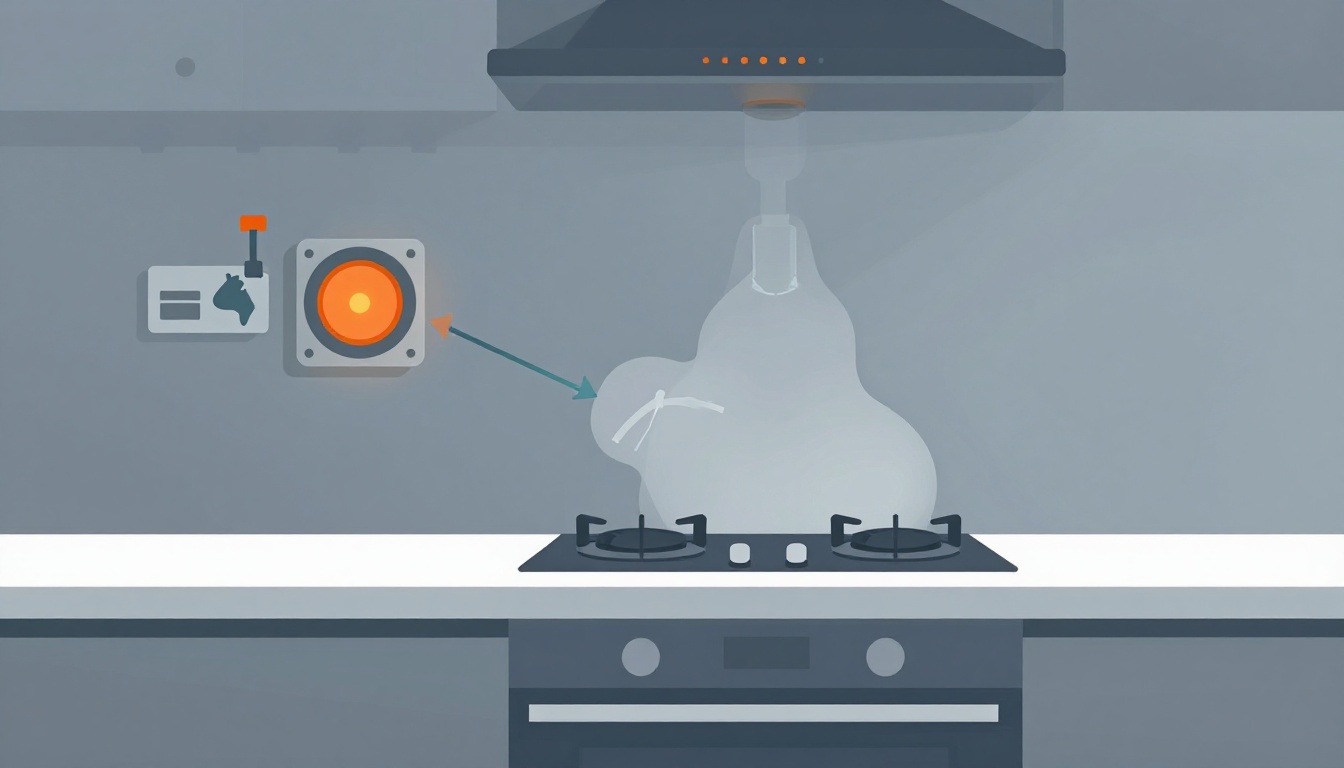
A small kitchen fire at night can turn into panic fast. You might not see smoke right away, and you might not have time to grab anything. That’s where automatic fire suppression systems matter. They’re built to act on their own, using sensors, control logic, and fast release of suppression agents.
So how do automatic fire suppression systems activate? In most cases, it starts with a detector that spots heat, smoke, or flames. Next, a control panel verifies the signal, then opens valves and sends the right agent to the right place. No one has to pull a lever.
Let’s break down the full chain from detection to discharge, plus the systems, common issues, and what’s new in 2026.
Spotting Trouble Early: The Detection Methods That Trigger Everything
Automatic suppression systems don’t “guess” when to act. They watch for fire clues all the time. When those clues match a fire pattern, the system triggers.
Early detection is the difference between a small blaze and a full emergency. Many fires grow fast, so waiting for a human to notice can cost valuable minutes. Detectors help because they can respond within seconds. Then the rest of the system takes over.
In most commercial buildings, sprinklers are heat-activated, even if alarms also use smoke or other detection. That means the sprinkler heads respond when the fire warms them enough. At the same time, alarm devices can also alert people and emergency responders. The goal is simple, keep fire small and buy time.
Here’s where detectors differ most. Heat tells you the fire is getting hotter. Smoke can show up before flames. Flame detection looks for the specific light patterns of real fire.

Most systems also aim to reduce false alarms. They do this by using the right detector type, the right placement, and sometimes more than one sensor.
A detector that acts too easily can cause nuisance alarms. A detector that acts too late can miss the early stage. Good systems try to hit the right balance.
Heat Detectors: When Temperature Spikes Break the Seal
Heat detectors trigger based on temperature, or how fast temperature rises. Many commercial systems use fixed-temperature ratings, often in the range of 135°F to 165°F depending on the environment and ceiling design. Some also use rate-of-rise logic, which reacts when heat climbs quickly.
A common heat-sensing design uses a fusible link. Inside the head, a metal component holds until it melts. When it melts, the release mechanism opens. Another design uses a glass bulb filled with liquid. As heat rises, that liquid expands until the bulb breaks.
Think of it like a thermometer that eventually “pops” when it reaches a set point. The link or bulb is the weak point by design. It fails only when conditions match a fire.
Heat detectors are often reliable in dusty or smoky areas where smoke detectors might struggle. However, heat-only detection can be slower for some smokeless fires. If a fire smolders without strong heat, it may take longer to reach the trigger point.
Also, some systems use non-electric heat activation in tight spaces. For example, certain tube-style or mechanical devices release when heated. That matters because they can work without electrical power at the detector point.
Smoke Detectors: Catching Invisible Threats in the Air
Smoke detectors focus on tiny particles suspended in air. Instead of waiting for heavy heat, they can respond earlier. That’s why smoke detection is common in offices, hallways, and homes.
Two major types handle different fire behaviors:
- Photoelectric smoke detectors look at how light scatters when smoke particles block the light path. They’re often better at spotting smoldering fires.
- Ionization smoke detectors use a sensing chamber that responds to certain smoke patterns, often reacting well to fast-flaming fires.
A simple analogy helps here. Picture a light beam in a room. When smoke drifts in, it can change how that beam looks. The detector watches for that change.
In 2026, many sites use dual-sensor approaches (smoke plus heat, or two smoke technologies together). This can reduce nuisance alarms from everyday triggers like steam. Still, placement matters as much as the device type. A detector near a kitchen vent can act differently than one placed on a quiet corridor ceiling.
If you’re curious about how sprinkler systems relate to smoke and heat in real buildings, the City of Charleston’s explanation of sprinkler operation is a clear, practical read: how fire sprinklers work.
Flame Detectors: Eyes on the Glow of Real Fire
Flame detectors spot the light signatures from real flames. They use optical sensors, often reading ultraviolet (UV) and infrared (IR) energy patterns. Because flames produce distinct radiation, these detectors can react fast.
They’re often used where open flames happen quickly or where other signals might be confusing. Warehouses, industrial areas, and some hazardous operations commonly use flame detection.
A helpful comparison is a camera reacting to sudden brightness. When the sensor sees the right light pattern, it triggers an alarm or a control response.
However, flame detectors aren’t usually the only trigger. They’re commonly paired with smoke or heat confirmation. That reduces the chance of false triggers from light sources, welding arcs, or other non-fire signals.
The Control Panel’s Quick Decisions: From Signal to Go Time
Sensors send raw clues. The control panel turns those clues into action. That step is where automatic fire suppression systems activate in a practical, repeatable way.
When a detector triggers, it sends a signal to the panel. From there, the system checks whether the signal looks like a real fire. It may require one or more confirmations. For example, some setups use logic like “two detectors in the same zone” before a full response occurs.
This helps with the two biggest enemies of safety systems: dust and everyday conditions. A shower steam burst might warm a detector. A toaster might create brief smoke. Wind can stir particles. The panel’s job is to avoid reacting to one weird moment.
The control panel then does several things, often in this order:
- It identifies the zone (where the signal came from).
- It verifies alarm conditions based on its programmed rules.
- It activates outputs, like sounding alarms and sending alerts.
- It opens suppression release pathways (like valves), based on the system design.
- It logs events for maintenance and audits.
Reliable panels and alarm functions follow standards like NFPA 72. Installation, wiring practices, and testing schedules matter. You can’t “set it and forget it” forever.
Also, most systems still include manual backups. Pull stations help people in cases where automated detection might not match the exact fire profile. That means automation improves response time, but it doesn’t remove human options.
One more point often missed: the panel also controls how much gets affected. Good zoning keeps the response local. That can save agent and limit damage. It also helps occupants evacuate without turning an entire building into a mess.
If you want context on how fire services use these systems during an incident, NFSA’s summary of NFPA 13E recommended practice is a helpful starting point.

Then, once the panel approves the response, the system releases and fights back.
Release and Fight Back: Step-by-Step to Smothering the Flames
Detection triggers. The panel decides. Now the system releases the agent that suppresses the fire.
Many people picture a single sprinkler head blasting water everywhere. In reality, suppression often stays localized. Only the heads in the area of the heat source release, because only they reach the trigger conditions.
Suppression sequences often run on a tight timeline. In well-designed systems, the interval from detection to discharge can be seconds. After that, the agent does its job: cool, smother, or block the fire chemistry.
The exact sequence depends on the agent type and hardware. But conceptually, it looks like this:
- Sensors detect heat, smoke, or flame.
- The control panel verifies.
- The system opens valves or releases mechanisms.
- Agent flows through pipes and discharges at the affected heads or nozzles.
- Alarms notify occupants and responders.
- After the incident, the system needs inspection and reset.
Alarms also matter because suppression and evacuation work together. Even if fire is controlled fast, people still need to leave and stay clear of hazards.
Water Sprinklers: The Classic Flood to Cool and Douse
Water sprinklers are the most familiar suppression option. They work by using a pressurized piping system and sprinkler heads designed to release when heat triggers them.
Inside each sprinkler head, a seal holds the mechanism in place. When the fire heats the head, the fusible link melts or the glass bulb breaks. The head opens, and water flows.
Water helps in two main ways. It cools materials, lowering the temperature below ignition points. It also helps knock down flames and reduce fuel involvement.
For building design and installation details, you can reference NFPA 13 Standard Development. It covers key concepts like sprinkler layout and system performance.
In typical light-hazard or office-type areas, only a small number of heads might operate, depending on the fire size and spacing. Many systems aim for just enough discharge to stop fire growth.
Gaseous Agents: Clean Floods for Sensitive Spaces
Some spaces can’t handle water damage. Servers, museums, electronics rooms, and certain labs may use gaseous agents instead.
Gaseous systems usually release into a defined space, like a room or enclosure. The agent reduces the fire’s ability to keep burning. It can work by displacing oxygen, interrupting chemical reactions, or both.
The “clean” part matters. There’s often less residue than powder or heavy foam. That helps with restoration and equipment recovery.
Because the discharge can flood the space quickly, gaseous systems can be very fast at stopping growth. Still, they require careful room integrity and safety planning, including alarms and ventilation steps.
Foam and Dry Chemical: Tackling Tricky Fuel Fires
Not all fires behave the same. Grease fires, flammable liquids, and certain chemical hazards need different approaches.
- Foam forms a blanket that helps separate fuel from oxygen. It’s commonly used for Class B hazards like flammable liquids.
- Dry chemical powders coat surfaces and interrupt the chemical reaction of combustion. It can work well for quick knockdown in the right scenario.
In kitchens and vehicle-related areas, foam and dry chemical can provide targeted protection. Some modern units also use faster release designs meant to reduce total response time.
If you’re comparing how different suppression systems are maintained and kept ready, NFPA 25: Standards for Fire Protection Systems is a useful place to start.
Staying Reliable: Common Glitches, Fixes, and Cutting-Edge Updates
Automatic suppression systems only save lives if they’re ready when needed. That’s true for sprinklers, gaseous systems, and dry chemical units.
The most common problems are often simple. A detector can get dirty. A valve can lose pressure. A pipe can develop a blockage over time. A system can also be out of date after building changes, like renovations that alter airflow or ceiling layouts.
Here are frequent failure points, and what fixes them:
- Dirty or obstructed sensors: dust, paint overspray, and insect buildup can affect performance.
- Low water supply or pressure issues: systems may not deliver the needed flow.
- Damaged or blocked piping: renovations can introduce pinch points or debris.
- Missing inspections or postponed testing: delays let small faults grow.
Then there are “hidden” issues, the ones that don’t look dramatic. A partially closed valve may still pass small checks. A slightly misaligned detector might work on some days but fail on others.
That’s why routine maintenance matters. Tests, inspection logs, and repair schedules turn “automatic” into dependable.
2026 updates you’ll actually notice
Technology keeps improving, and by 2026 you can see three themes across many systems:
First, smarter detection and verification. More panels use multi-sensor logic to reduce nuisance activations, especially where steam, cooking byproducts, or HVAC patterns can confuse detectors.
Second, better monitoring between tests. Some newer setups send alerts for system issues like abnormal flow, stuck valves, or other performance problems before they become emergencies.
Third, building integration. Some systems can coordinate with HVAC shutdowns, door controls, or building alarms to guide occupants and limit fire spread.
Some makers also report that sprinklers control fires in the vast majority of incidents, around 98% in many industry discussions. The big point isn’t the exact number. It’s that suppression aims to stop growth early, before firefighters arrive.
The best system is the one that’s maintained, not the one with the most features.
A practical takeaway you can act on today
If you manage a building, or you’re planning upgrades, focus on readiness. Schedule inspections on time. Fix sensor issues fast. Keep records.
Even if you’re not the installer, you can ask good questions. When was the last flow test? Are heads and detectors clear of obstructions? Do the zoning and control logic still match the current layout?
Finally, if you’re building a safety plan, consider working with a qualified fire protection contractor. They can help you match detection type, agent choice, and code requirements to your space.
Conclusion: The Chain Reaction That Happens Automatically
So how do automatic fire suppression systems activate? It starts with detection. Heat, smoke, or flame clues trigger the system, then a control panel verifies the signal. After that, the release sequence kicks in and discharges the right agent to the right area.
The key takeaway is timing. These systems are designed to act without human delay. That’s what can stop a small fire before it grows into an evacuation.
If you’re responsible for safety at home or work, don’t wait for an emergency to learn your system’s basics. Get the inspections done, confirm the maintenance plan, and ask what your detectors and valves report.
Ready to uncover the magic? The next fire you never see will be proof that your automatic guardians did their job.