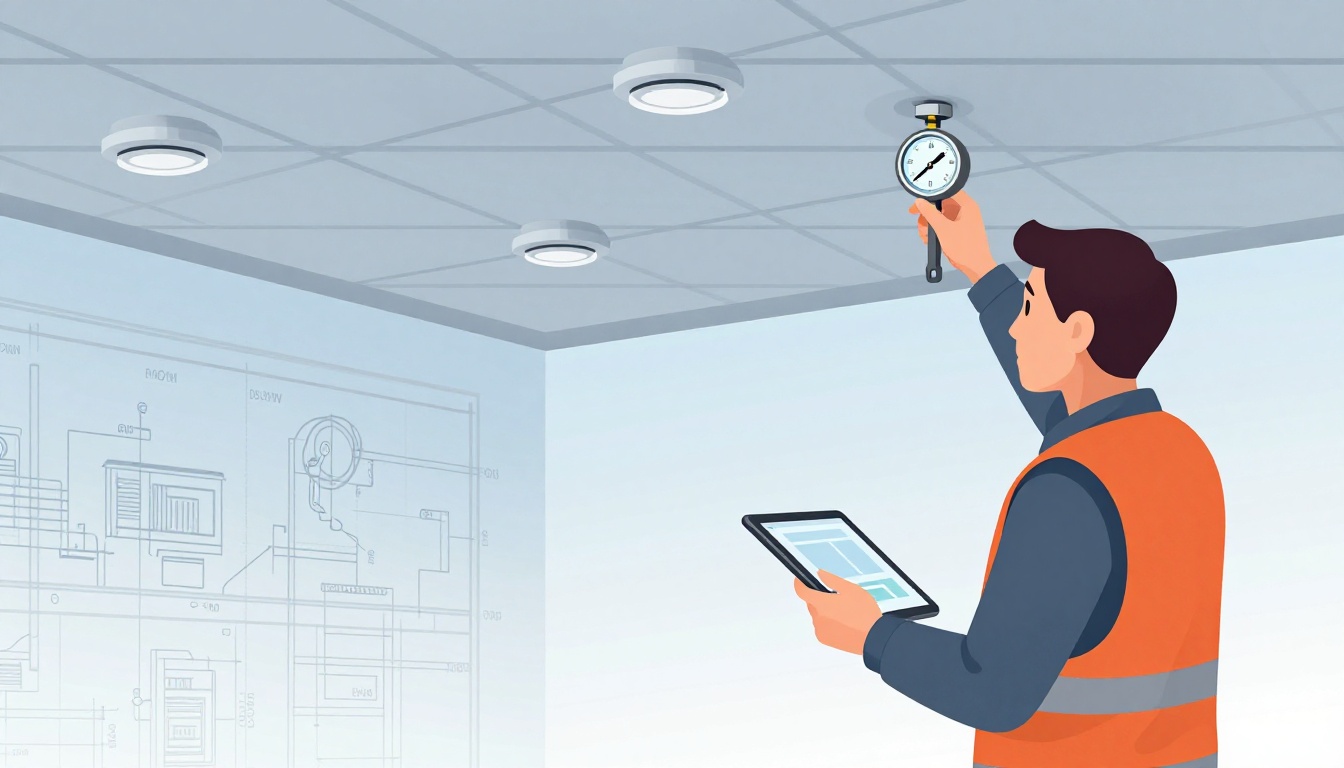
A tiny maintenance miss can turn into a big near-miss. A few weeks ago, one building staff member noticed a sprinkler gauge that looked “fine,” but the reading was slipping. After a quick check and a proper test, the team caught a problem before it became a real fire issue.
Fire suppression systems include sprinklers, clean agents, CO2, foam, and dry chemicals. They only help if they stay ready. That’s where fire suppression systems maintenance comes in: inspections, tests, and repairs that keep the system reliable.
In this guide, you’ll learn how to stay compliant with NFPA standards in 2026, what schedules look like by system type, and how to spot trouble early. You’ll also see when DIY is enough, when pro work is required, and what smart monitoring trends are showing up now.
Follow These Proven Standards to Stay Compliant
Fire suppression maintenance in the U.S. usually follows a mix of NFPA standards and workplace rules. For water-based systems, NFPA 25 is the core reference for inspection, testing, and maintenance (ITM). If you want the most current baseline, review NFPA 25, Standard for the Inspection, Testing, and Maintenance.
For workplace safety, OSHA includes requirements for fixed extinguishing systems under 1910.160 – Fixed extinguishing systems, general. OSHA also has related guidance under 1910 Subpart L App A – Fire Protection.
In 2026, NFPA 25 focuses on making ITM more consistent and easier to verify. Recent updates include items like:
- Annual internal checks for dry, preaction, and deluge valve types
- Clearer rules on what counts as a dwelling unit for residential sprinkler classification
- A 50-year sprinkler replacement trigger for certain standard-response heads
- New testing rules for solenoid monitoring devices
- Clearer repair timelines when critical issues show up
Other standards pair with these schedules based on system type:
- NFPA 2001 for clean agent systems
- NFPA 12 for CO2 systems
- NFPA 11 for foam systems
- NFPA 10 and NFPA 17 for portable and dry chemical systems (often used together in practice)
Most authorities enforce local code rules that “adopt” certain NFPA editions, sometimes with state or city tweaks. In California, for example, Cal/OSHA requirements can line up with OSHA, while local fire marshal interpretations matter for documents, access, and impairment reporting.
What “maintenance” really means (ITM basics)
Maintenance isn’t one job. It’s a routine of inspection, testing, and repair, recorded so everyone can prove the system stays ready.
Here are the general rules you’ll see across many fire suppression setups:
- Use trained staff for any action beyond basic visuals. Many tasks must follow manufacturer steps and system design.
- Tag system status. If a system is out of service or impaired, label it as such, and follow your impairment plan.
- Keep records. Logs, tags, and technician reports matter during audits, insurance reviews, and after events.
- Follow the schedule. Don’t “catch up later” if a date slips. Backlogged work creates risk.
A simple “feel” for common timing looks like this:
- Monthly: quick checks, alarms and supervision verification where allowed, gauge or indicator review
- Annual: more involved tests, including operational checks that may involve flow or actuation methods
- 5-year intervals: deeper internal checks for many water and piping components
- 10-year intervals: major maintenance tasks such as balance checks or systemwide updates, depending on system type
Finally, always remember one key point: open valves and clean paths only help if the system stays within its pressure and flow limits.
If your system shows “normal” but the records are missing, you still have a problem. Documentation is part of readiness.
Water-Based Sprinklers: Your Weekly to 10-Year Checklist
Water-based sprinkler systems depend on three things working together: components, water supply, and fire protection controls. Maintenance checks confirm all three.
Your team typically divides work into owner checks (often visual) and certified tech work (testing and set-and-replace tasks).
Here’s a practical way to think about the schedule from weekly through 10 years.
Weekly and monthly: keep valves, gauges, and clear space in shape
Weekly checks focus on the things you can spot fast. For example, confirm the system control valve position and that seals or tamper indicators still look intact. Also check for obvious obstructions near sprinkler heads, especially in warehouses and storage rooms.
Then move into monthly items. These often include:
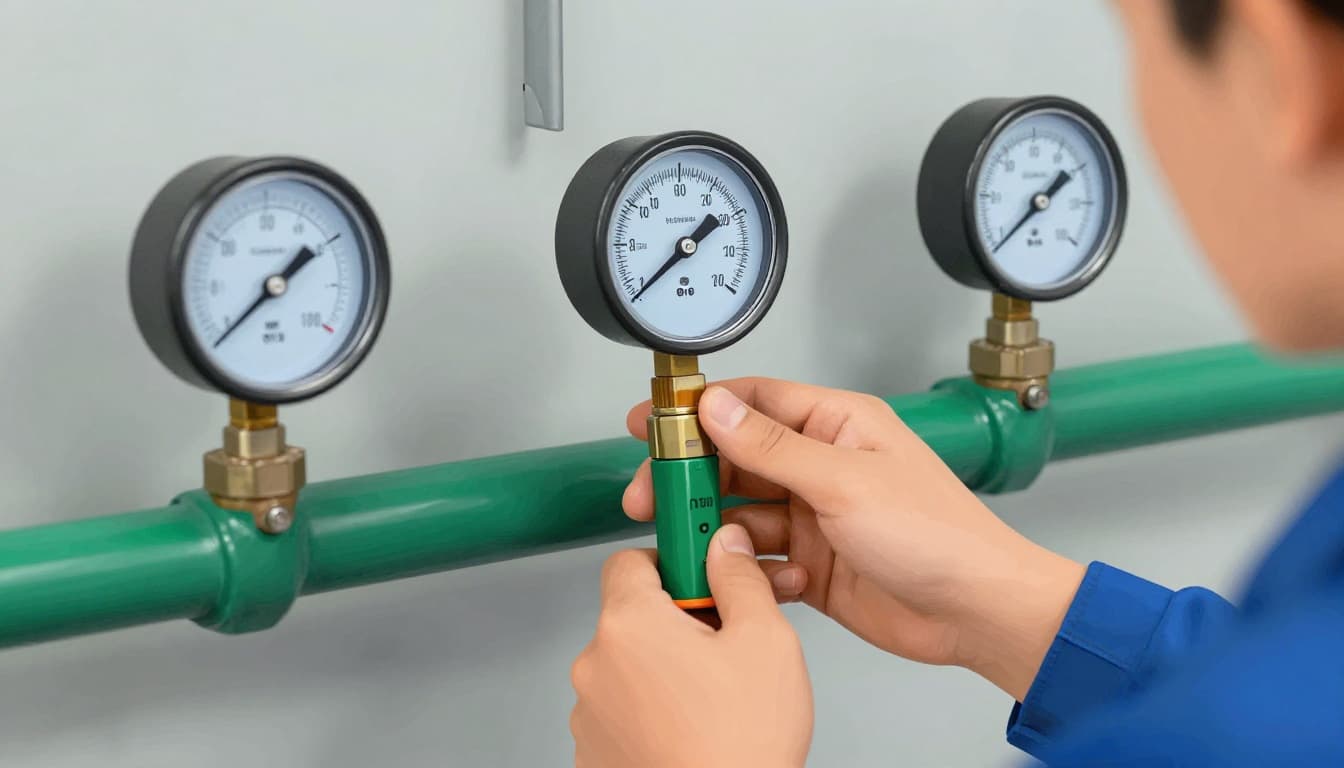
- verifying gauge readings are in the expected range
- watching for trouble signals at alarm panels (supervisory indicators)
- checking that waterflow alarm devices and related switches show correct supervision
A good mental script helps staff remember. For instance, “Check gauge green? Good. Test alarm beep? Perfect.” That’s not a full test, but it supports the habits that keep systems dependable.
Annual and longer: confirm the system can actually flow
When the annual window arrives, expect bigger tests. In many buildings, annual work includes pump tests where applicable, flow checks, and verification that valves and alarms operate as designed.
Next come the multi-year internal checks:
- internal pipe and obstruction checks often fall on 5-year cycles
- more involved systemwide updates often hit around 10 years, depending on design and occupancy
If you’re unsure which tasks apply to your piping layout, check your inspection records first. A tech can help you map the system design to the correct intervals.
Common sprinkler problems you want to catch early
Sprinkler issues often start small. That’s why frequent visuals matter. Watch for signs like:
- leaks around valve bodies, joints, or couplings
- corrosion or staining on exposed metal parts
- painted or physically damaged sprinkler heads
- dust buildup on heads in mechanical rooms
- low pressure trends that suggest supply or valve issues
Paint on a sprinkler head isn’t “cosmetic.” Treat it like damage, because it can affect operation.
Clean Agent, CO2, Foam, and Dry Chemical Schedules
Not every hazard should get sprinklers. Some areas need special agents because water could damage equipment or the space design makes water a bad fit.
Maintenance schedules differ by agent, but the goal stays the same: keep the system stocked, ready, and correctly triggered.
Below are common ITM patterns tied to the standards used in the U.S. Always confirm what applies to your system design and listing.
Clean agent systems (NFPA 2001)
Clean agent systems rely on the right pressure and the right release timing. Maintenance often includes:
- Monthly: pressure checks and visual inspections of cylinders and piping
- Semi-annual: weigh and verify agent condition
- Annual: discharge simulation (as allowed by the system type)
- Multi-year: longer-term internal checks and replacement planning
If you protect sensitive equipment, it helps to understand why clean agents exist. Here’s an example of how NFPA 2001 applies to sensitive spaces via NFPA 2001: Clean Agent Suppression Systems for Sensitive Equipment.
CO2 systems (NFPA 12)
CO2 needs strict checks because CO2 cylinders and release devices must perform exactly on demand. Typical steps include:
- Monthly: cylinder and connected components visual checks
- Annual: weigh checks and verification of release-actuator condition
- Longer intervals: hydrostatic tests and recharge planning based on design
Foam systems (NFPA 11)
Foam maintenance focuses on mix quality and proportioning gear. Common patterns include:
- Monthly: check foam concentrate levels (and related components)
- Semi-annual: verify proportioning equipment performance
- Annual: flow and discharge checks
- Quality intervals: periodic concentrate quality verification
Dry chemical systems (NFPA 10 and NFPA 17)
Dry chemical systems depend on correct pressure, clean actuation paths, and correct nozzle condition. A common approach includes:
- Monthly: visual checks (pressure indicators and seals)
- Annual: internal inspection and functional checks by a licensed tech
- Cycle-based: teardown, replacement parts, and hydrostatic testing where required
Because these systems can fail quietly, pro ITM matters more than many owners expect. A good example checklist view for clean-agent style systems is available in FM200™ SYSTEM | Preventative Maintenance Checklist + Download. Even if your system uses a different agent, the idea is the same: maintenance intervals and documentation show whether the system stays ready.
The safety details that come with every schedule
Across all these system types, pay attention to:
- lockout/tagout when techs open and test components
- matching maintenance to the right hazard (flammables, electrical risks, special occupancy rules)
- controlling access so the system stays undisturbed until work is complete
Also, plan maintenance windows. Some tests can impact operations. When maintenance is done late or skipped, systems often sit in impaired status longer than they should.
Spot Trouble Early: Common Problems and Warning Signs
Fire suppression systems usually don’t “break” all at once. They drift into failure through small changes: corrosion, loose connections, damaged components, and blocked discharge paths.
So what should you watch for day to day?
Start with the big three: pressure, alarms, and physical condition.
Warning signs you can see before a failure
Look for these indicators during routine walks, and log them fast:
- pressure gauges trending low or reading out of range
- no alarm sound or missing trouble indicators during a permitted check
- visible damage like dented piping, damaged cabinets, or compromised hardware
- painted or replaced sprinkler heads that don’t match listing requirements
- error lights on supervisory panels, especially repeated faults
- dead batteries in device groups that use power monitoring
Seeing rust? That’s a signal to act. Same with damaged heads and blocked nozzles. Repairs are cheaper than rebuilding a system after a failure.
Common issues by system type
Here are frequent problems that show up in maintenance records:
- Water-based sprinklers: leaks, corrosion, obstructed heads, valve seal damage
- Dry and preaction valve setups: valve control issues, air pressure troubles, cracked seals
- Clean agent: cylinder pressure drift, faulty discharge path components
- CO2: actuator faults, weighing issues, delayed release signals
- Foam: concentrate quality drift, clogged proportioners, broken mix patterns
- Dry chemical: cake or settling, pressure indicator failures, damaged nozzle links
Owner actions that actually help (without crossing the line)
Owners and staff can usually do a few useful things safely:
- keep clearances around heads and cabinets
- report odd sounds (hissing, ticking, repeated trouble beeps)
- check gauges and indicators during allowed rounds
- make sure maintenance access stays unlocked and unobstructed
For everything else, use a qualified contractor. Most system failures trace back to work that went “almost right.”
DIY Checks or Pro Help? Weigh Costs and Best Choices
Many owners want to save money. That’s understandable. Still, fire suppression systems aren’t like smoke detectors you can “mostly keep working.” They need the right test methods and the right proof.
A good rule: staff can support visual awareness, but pros handle system ITM tests that confirm performance.
When DIY is enough
DIY can work when it means:
- monthly visual inspections of gauges and indicators
- ensuring cabinet doors are closed and unobstructed
- checking that sprinkler areas stay clear
- reporting concerns quickly, so the pro team can schedule repairs
Also, keep extinguisher and related visual checks separate from fixed system ITM. Fixed systems have different requirements.
When you should call a certified team
Call in certified techs when you need:
- functional tests, actuation checks, or discharge simulations
- valve internal inspections
- hydrostatic tests or recharge work
- anything involving impairment plans and reporting
Pro vs. DIY at a glance
Here’s a quick comparison that helps you pick the right approach.
| Choice | What you can do safely | Main benefit | Main risk | Typical cost impact |
|---|---|---|---|---|
| DIY (owner visuals) | Gauges, clearances, cabinet access, trouble indicator checks | Faster issue reporting | Misses hidden failure modes | Lower, but limited coverage |
| Pro ITM | Scheduled inspection, testing, repair, documentation | Full compliance proof and performance checks | Higher cost if you delay | Often hundreds to $1,000+ per year for ongoing service |
Repairs can also get expensive if a small issue turns into a larger one. That’s why prevention matters more than price shopping.
If you want a practical checklist style view, see Fire Suppression System Maintenance Checklist Guide – Kord Fire Protection. Use it as a reference for organizing logs and schedules, not as a substitute for required tests.
Compliance isn’t just a checkbox. It’s proof that the system can operate when it matters most.
A quick 2026 reality check
In 2026, systems increasingly use monitoring features that send status alerts. Some tasks now tie into those platforms. That means trained service providers may need to update settings, verify sensors, and document “automated inspection and testing” when it’s part of the design and allowed by the standard. For background on how ITM is evolving, check ITM Evolution.
Smart Upgrades and Tips to Make Maintenance Easier in 2026
Smart monitoring doesn’t replace code-required ITM. Still, it can make maintenance easier and faster to manage.
In many buildings, new tools focus on three outcomes:
- catch problems earlier
- reduce false alarms
- tighten recordkeeping
What tech upgrades often look like now
Here are common trends that show up in 2026 planning:
- Remote monitoring for extinguishers and devices where allowed, so low status flags reach staff sooner
- IoT-style alerts that track pressure changes or equipment state and create tickets
- Better event logs so you can prove when a check happened and what the results showed
- Improved links between alarm systems and building controls, helping teams respond faster
This matters because maintenance isn’t just “do the work.” It’s also “prove the work.” When records are tied to the event, you reduce the chance of missing a task.
Simple tips that make maintenance smoother
Even with new tech, the basics still win. Use these habits:
- Keep logs in one place. Make them digital if your team can access them quickly.
- Train staff yearly on what to watch for and who to call.
- Clear zones around equipment. If people block cabinets, systems fall out of readiness.
- After any construction or layout change, verify zones and access right away.
Imagine your system telling you, not waiting for you
Picture this: a device sends a low pressure alert. Instead of waiting for a monthly visit, staff schedules service the next week. Less damage happens, and the system stays in a healthy state.
That’s the real value of smart upgrades. They help you keep your system ready, not just keep it “on file.”
Conclusion
Fire suppression systems work only if they stay maintained on schedule. By following NFPA fire suppression maintenance standards, you protect lives and reduce costly disruption.
When you spot warning signs early, you avoid major failures later. And when you match DIY visuals with professional ITM tests, you get both safety and proof.
If you take one next step, schedule your next check early and tighten your records. Start building confidence today, because the next “near-miss” should never happen to your building.