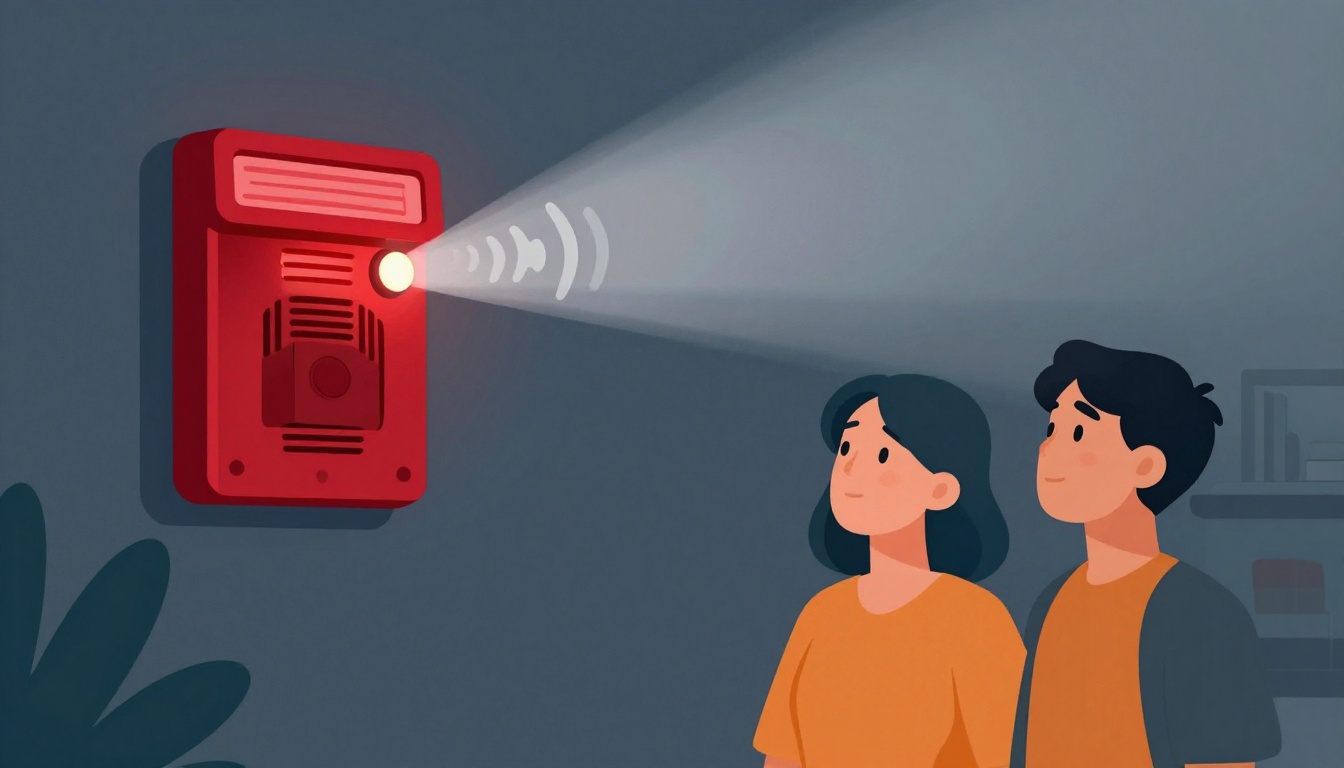
Early one Tuesday morning in Benton Harbor, Michigan, working smoke alarms helped save nine people from a house fire, because they woke everyone up in time to get out. That’s the job of fire alarm systems: they watch for signs of danger like smoke or heat, then send out clear emergency alerts fast. So when something looks wrong, you won’t just get a faint beep, you’ll get signals you can notice and act on right away.
In most homes and buildings, the alerts start when detectors sense changes (smoke, heat, or other triggers), then the control panel turns that signal into alarms. Next, those alarms show up in different ways, like loud audible tones, flashing strobe lights, and sometimes text or voice messages through an emergency notification system. Of course, it doesn’t matter how smart the system is if people ignore it, so you’ll also see the key safety rules for what to do when the alarm sounds.
Meanwhile, newer systems use smarter sensors and better ways to reduce false alarms, plus features that can share alerts across the building. You’ll also get practical tips for keeping everything working, since even the best alarms only help if they’re maintained. Keep reading to see exactly how alarms get triggered and how the alerts guide you step by step.
What Sparks the Alarm: Detection and Activation Explained
Fire alarms start working before anyone “hears” them. First, the system senses a change, then it confirms that the change looks like a real fire. After that, it flips into full alert mode with audible tones, visual strobes, and sometimes voice messages.
Common Detection Devices You Might Spot in Buildings
In homes, schools, and factories, you’ll usually see a few main initiating devices. Each one watches for a different sign of trouble, like a smoke detector watching for particles, or a heat detector tracking fast temperature rise.

- Smoke detectors (photoelectric and ionization types): They catch tiny smoke particles in the air. Because smoke often shows up early, these detectors can give early warning before flames spread.
- Heat detectors (fixed or rate-of-rise): They respond when temperature reaches a set point, or when heat climbs quickly. They work well in places where smoke might be hard to interpret, like some kitchens or workshops.
- Flame detectors: These devices spot flickering light patterns tied to flames, often in industrial settings. They can react fast when fire grows in open areas.
- Manual pull stations: These let people trigger the alarm right away. When you see smoke, fire, or even a strong odor, you do not have to “wait for the system.” You can pull, and the building gets the message immediately.
For a clear baseline on what initiating devices do and how they start alarm signaling, see NFPA’s guide to fire alarm basics. Also, the broader definitions and rules come from NFPA 72 code development.
These devices work together. In other words, one detector type might catch one kind of danger best, while another fills in the gaps.
Step-by-Step: From Sensing Danger to Full Alert Mode
Once a device senses trouble, the alarm system runs a sequence. Think of it like a chain of quick checkpoints that reduce mistakes and get alerts out fast.
- Sense the danger
- A smoke detector notices smoke particles.
- A heat detector feels a rapid temperature rise.
- A pull station gets pressed by a person who sees danger.
- Send the signal to the FACP The Fire Alarm Control Panel (FACP) receives a change-of-state signal from the initiating device. This is the “brain” that listens and reacts.
- Verify and interpret The panel checks that the signal makes sense within programmed zones and rules. It also tracks where it happened, so the alert matches the real location.
- Activate alarms building-wide
Next, the FACP turns on the notification appliances, such as:
- Horns for strong audible warnings
- Strobes for clear visual warnings
- Speakers or voice messages in systems that support them
- Optional system links can add protection
Depending on the building plan, the alarm can trigger other safety actions. For example:
- Door hold-open releases to control smoke spread
- Elevator recall to keep occupants away from danger areas
- Sprinkler or suppression interfaces where integrated systems exist
Here’s a simple kitchen example. A toaster smokes, the smoke detector senses it, the FACP confirms, and then horns and strobes start in the right zones. If someone pulls a station nearby, the alarm escalates right away, even before flames fully develop. That’s the whole point: detection first, then clear alerts that people can’t miss.
The Alerts That Grab Attention: Sounds, Lights, and More
When an emergency hits, your senses get crowded fast. Smoke, panic, and bad air can steal focus. That’s why fire alarm systems use audible fire alarms and visual strobes together, plus backup alert paths when hearing or sleep gets in the way. The goal is simple: reach everyone, in time, from every angle.
Loud Horns, Sirens, and Voice Messages That Demand Evacuation
The first thing many people notice is the sound. Fire alarm systems use loud horns, bells, and sirens to pull attention from background noise like TVs, traffic, and conversation. In many setups, tones can reach up to about 110 dB, which is loud enough to cut through clutter in hallways, shops, and warehouses.
Equally important, the sound pattern is not random. For common fire signals, the system follows a distinct temporal pattern, often called the three-pulse temporal pattern. You hear it as three quick pulses, then a pause, then three pulses again. This pattern helps the alert register as “fire” instead of “someone’s alarm clock” or “a normal break in the noise.”
You’ll also see early warning tones used before full evacuation sounds, especially in larger buildings with staged notification. Bells and buzzers can sound in advance so people notice the change early, even if they do not fully understand what triggered it.
Some buildings use voice notification. Instead of only tones, speakers deliver clear instructions, such as “Evacuate now!” or directional guidance like “Exit through the nearest stairwell.” Voice alerts reduce guesswork because the message tells people what to do next.
If you want a code-focused baseline for how these audible and visible signals work together, NFPA’s explanation of fire alarm notification is a solid starting point: NFPA’s fire alarm notification guide. For technical expectations on audible and visible appliances, consult resources like Audible/Visible Appliance Reference Guide.
Flashing Strobes and Lights Visible from Anywhere
Not everyone will hear the alarm. That’s why fire systems include visual strobes designed to be obvious at a glance. These devices typically use bright red flashing light, aimed at visibility from key viewing areas.
In practice, the strobe flashes in a controlled rhythm. Many standards and listings require a flash rate around under 5 Hz, so the signal stays noticeable, not constant. Also, strobes get installed and grouped so the light output matches the coverage plan, which helps reduce missed alerts when people move between rooms.
This is where people often assume “a light is a light.” It’s not. Placement, intensity, and synchronization matter because people scan their surroundings differently during stress. For that reason, systems often use the same color and coordinated behavior across the building, instead of random blink patterns.
The Americans with Disabilities Act (ADA) framework also pushes buildings to include audible and visible notification, especially where hearing access is needed. The ADA National Network summarizes the requirement for both device types when alarms are installed or upgraded: ADA overview of fire alarm systems. In addition, research has found that simply adding visuals may not fully wake some sleepers, so buildings may pair strobes with other tools like tactile alerts.

Vibrations, Texts, and Other Backup Alerts
Sound and light handle most situations. Still, life doesn’t always cooperate. Someone may be asleep, in a loud shop, or too far away to catch audio. For those moments, systems add backup alerts that work through touch or messaging.
A common option for sleeping areas is a bed shaker. It uses vibration to wake people who might not respond to sound alone. In reports focused on deaf and hard-of-hearing populations, researchers highlight the importance of tactile alerts, sometimes paired with strobe visuals, for reliable wake-up during emergencies. See: NFPA Foundation report on alarm technologies.
In many modern facilities, alarms also connect to app notifications and emergency mass messaging. Phones can receive alerts through dedicated systems or linked public notification platforms. When the alarm control panel activates, the building can push messages to staff and responders, including updates on where to go and what to do.
Some setups also tie alarms into security and communication workflows. For example, a system can send alerts to monitoring services and paired devices so action starts even if no one is close enough to hear the initial tone. In other words, the alarm doesn’t just “sound off.” It informs, in multiple ways, until help reaches the right people.
Safety Standards That Ensure Alarms Work When It Counts
Standards are what turn a fire alarm from “equipment in the ceiling” into an alert people can actually act on. When you follow NFPA 72, you design alarms like a lifeguard whistle: loud, clear, and timed so it cuts through chaos. Skip those rules, and the alarm can fade into the background when seconds matter most.
NFPA 72 sets the rules for audible and visual alerts
NFPA 72 focuses on two jobs at once: sound people out and show people the danger.
For audible alerts, the system has to hit the right volume in real conditions. A common baseline is at least 75 dB where people are present, with higher needs in louder areas. That matters because a fire alarm must be louder than everyday noise, like compressors, laundry rooms, or noisy hallways.
For visual alerts, the standard requires high-intensity strobes and proper selection so they work for people who are deaf or hard of hearing. In plain terms, the alarm needs to be seen clearly from typical viewing angles, not just installed somewhere.
If you want a practical explanation of how these notification pieces fit together, NFPA basics for fire alarm notification is a helpful reference point.
Spacing, placement, and synchronization keep the alert consistent
Here’s where safety gets very hands-on. Standards guide where devices go so the signal stays noticeable as people move.
In many designs, you plan coverage so strobe and horn units reach occupants at typical distances, often expressed as spacing guidelines like every 55 feet (depending on the notification method, mounting, and room layout). You also coordinate synchronization. When strobes flash together, people interpret the pattern as one event, not random blinking.

ADA expectations add fairness, and backups add reliability
The ADA framework pushes buildings to provide audible and visual notification so alarms reach people in different ways. Sound helps most people wake up, while strobes help people who cannot hear the tones. Put simply, you cannot assume one method fits everyone.
Backups take it further. Some facilities add options like tactile alerts (for example, bed shakers in sleeping areas) so people who sleep through sound still get a strong cue.
For a deeper look at visual notification expectations, National Deaf Center on visual fire alarms breaks down why visuals must be part of the system, not an afterthought.
The bottom line: NFPA 72 designs the mechanics, and ADA expectations help make the alert usable for everyone.
2026 Tech Upgrades and Tips to Maximize Your Alarm’s Power
Modern fire alarm technology gives you more than louder horns and brighter strobes. In 2026, upgrades focus on clearer directions, smarter false-alarm filtering, and faster reach when seconds count. Ready to upgrade? Start with the features that improve how people respond, not just how alarms look on paper.
Smart New Features Making Alarms Smarter and Faster
The biggest shift in modern fire alarm technology is better instruction, not just louder warning. Many systems now support voice and directional sound, so the message points people to the nearest safe exit. Instead of “fire alarm, evacuate,” you may get prompts like “Exit left” or “Go to the stairwell.” That reduces confusion, especially when smoke and stress scramble decision-making.
Next, look for plugin upgrades from established brands. Honeywell, for example, publishes products in the voice evacuation space that show how systems can be expanded as needs change, rather than replaced all at once. If you run an older setup, this kind of module-first approach can stretch your budget while still improving alert quality: Honeywell voice evacuation control panels.
Also, wireless sync is getting more common. With wireless linking, notification appliances and panels can coordinate faster across zones. As a result, you get more consistent coverage when people move from one area to another.
Finally, expect stronger mass notification paths through app integrations. When the fire panel triggers, it can push alerts to phones and other endpoints used by staff. In other words, the alarm doesn’t stop at the ceiling.

Proven Habits for Testing and Using Alarms Right
Upgrades help, but habits keep alarms powerful. Treat testing like a routine health check, not a once-a-year chore. If a device fails, it usually fails quietly, until you need it.
Start with a simple monthly rhythm:
- Run the proper system test (use the control panel or installer mode).
- Listen for each signal type (tones, voice, and strobe patterns).
- Verify battery health and replace batteries on schedule.
- Confirm the alert reaches the right areas, including noisy spots.
Then train people. You do not want employees guessing what “one pattern” means. Short practice sessions work best, because signals stick after you hear them a few times.
Also, make sure you maintain smoke alarm items, since dirty sensors and aging batteries still cause the most real-world issues. NFPA guidance on installing and maintaining smoke alarms is a solid baseline for home and small business owners: NFPA smoke alarm maintenance tips.

To maximize your system this year, take these action steps:
- Check your last inspection date and confirm the next test window.
- Review which zones get voice, tones, and strobes.
- Test at least one device per area, then log the results.
- Train staff once, then refresh when new people join.
Conclusion
Fire alarm systems alert people during emergencies by turning sensor triggers into clear, hard-to-miss notification. You typically get loud audible fire alarms (horns, bells, voice), flashing visual strobes, and in some areas added alerts like bed shakers or app updates, so more people wake up and act fast.
Most importantly, these alerts only help when they’re set up right and working as planned. That’s why understanding the main signal types matters, and why testing matters, too. Smoke alarms still cut the risk of dying in a home fire by about 55% to 60%, but missing or dead units reduce that protection.
After you finish this post, test your home fire alarms today, then learn the alarm sounds and patterns so everyone recognizes them. Want better safety coverage? Share this post, and if your system is older or you manage a building, talk to a local fire alarm pro.