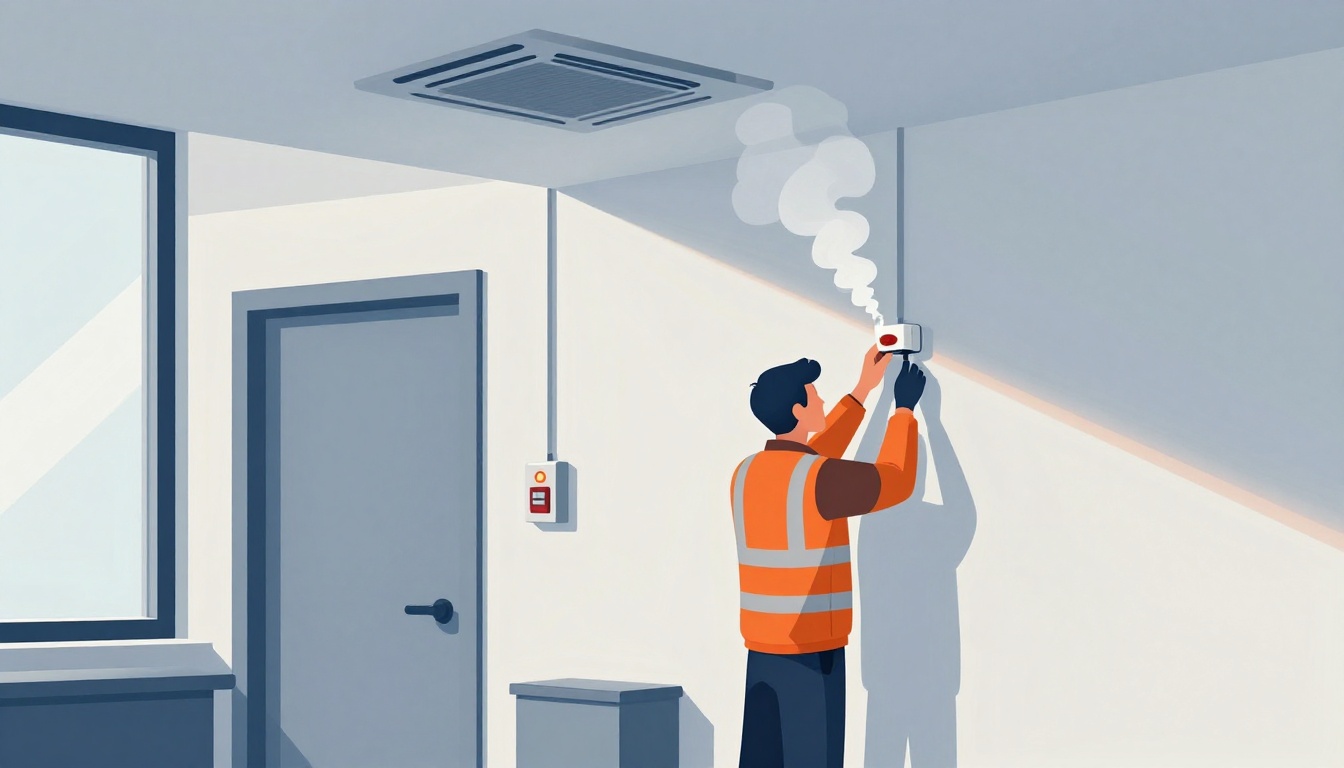
A fire doesn’t have to roar to cause chaos. Sometimes it starts small, then smoke spreads before anyone gets the right signal. In recent U.S. high-rise incidents, crews often faced fast smoke and hard-to-find fire conditions, even when help arrived quickly.
That’s the part people miss about fire safety systems. They can look “in place” and still fail when maintenance gets skipped, inspections go undocumented, or equipment sits too dirty, too old, or too blocked. In 2026, many inspection findings keep pointing to the same repeat problems, especially around basic upkeep.
The good news? When you know the most common failures, you can catch them early. This guide covers the five big categories behind real-world breakdowns: maintenance mistakes, detection problems, suppression failures, human errors, and installation flaws. Keep reading, and you’ll learn what to check, what to document, and what tends to fail under pressure.
Maintenance Mistakes That Leave Buildings Vulnerable
Poor upkeep is the top reason life safety systems underperform. It’s also the easiest to fix, because the fixes are routine. Yet routine work gets delayed, skipped, or treated like “paper compliance.”
Think of a fire alarm like a smoke-filter. When it’s full of dust and neglected, it can’t do its job. When you miss tests, you don’t just risk a failed alarm. You also lose the chance to learn what’s wrong before an emergency.
Here’s what that often looks like in 2026 inspection reports:
- Monthly tasks get treated as optional.
- Quarterly tests get postponed “until things calm down.”
- Records go missing, so nobody knows what actually happened.

In the U.S., home fires are already common and deadly. In 2024, NFPA reported 329,500 home structure fires, with 2,920 deaths and 8,920 injuries. Working smoke alarms help reduce deaths, so a “minor” maintenance miss can matter fast.
If you manage a home, office, apartment building, school, or shop, use a simple rhythm. For example, during monthly checks, look for visible problems and confirm the system status.
Consider these practical checks:
- Extinguishers: Confirm the gauge sits in range and the pin is in place.
- Emergency lights: Test the quick monthly discharge, then log results.
- Exit paths: Walk the route as if you can’t see far through smoke.
- Closet and mechanical rooms: Watch for clutter that blocks detectors or panels.
- Sprinkler access: Keep heads clear of storage and paint overspray.
When did you last test your emergency lights, not just “look at them”? If you can’t answer quickly, you’re already behind.
Untested Alarms and Emergency Lights
Fire alarms often fail quietly, then fully fail when you need them. The usual story goes like this: a building team sees a trouble message, resets it, then moves on. Over time, the panel may stop guiding people correctly.
Emergency lights face a similar issue. Many systems rely on periodic discharge tests. If those tests don’t happen, batteries can weaken, chargers can fail, and fixtures can stop working under real power loss.
For a real-life feel, picture a healthcare setting. Smoke and alarm timing can disrupt treatment schedules, and unverified alarm performance can delay key actions. Even when nobody gets hurt, the building can lose precious minutes because staff don’t trust what they hear.
The fix is simple, but it requires follow-through. Build a schedule, then document it. For a focused view of what often goes wrong in inspections, see the most common reasons fire alarm systems fail inspection. Then compare your process to that list.
Also, use test logs that you can search later. If you store notes in a shared folder or a maintenance app, the whole team wins during audits and emergencies.
Expired Extinguishers and Clogged Sprinklers
Extinguishers get forgotten because they sit there “waiting.” Still, pressure can drop, seals can fail, and inspection tags can go stale. Even worse, some teams check the tag and skip the basics like the nozzle condition and gauge position.
A quick visual routine helps. Look for:
- Rust, corrosion, or dents
- Missing inspection seals
- A gauge reading outside the expected band
- Blocked access (locked rooms, stacked boxes, or blocked hallways)
Then plan for professional service based on your extinguisher type and local rules. In many places, extinguishers need service on a set schedule, often yearly by certified techs.
Sprinklers also fail when they get “handled” without care. Heads can be blocked by storage. Paint can be applied over them. Ceiling repairs can misalign them. Even small obstructions can change how water reaches a fire.
If you want a practical reference on common sprinkler failure causes, review the 7 most common sprinkler system failures. It’s a good reminder that “system exists” isn’t the same as “system works.”
In factories and chemical areas, suppression performance depends on system design and maintenance. If your sprinkler system never got updated for changed storage patterns, the water path can be wrong. When you clear the space around sprinkler heads and keep plans current, you reduce the odds that suppression misses its target.
Detection and Suppression System Shortcomings
A fire safety system needs three things to work together: detect early, signal fast, and control the fire. When any link breaks, smoke spreads and people lose time.
Detection problems often come first. Then suppression problems show up when flames grow. That’s why the same building can pass a quick glance but still fail in a real incident.
In 2026, a common pattern keeps showing up in inspections: teams test the “easy” parts and neglect the parts that require scheduling, access, or downtime.
Smoke Detectors That Miss the First Signs
Smoke can start as a small change in the air. That early stage is where detection matters most. If detectors aren’t tested, dust can build, sensors can drift out of calibration, and devices can miss alarms or delay them.
Quarterly testing isn’t about paperwork. It’s about catching early failure patterns. If you skip tests, you can’t tell if the device still responds to real smoke conditions.
Some buildings also deal with false alarms, so they disable zones. That’s a human response, not a technical fix. Over time, those changes can create gaps where smoke should have triggered action.
For help organizing fire alarm testing and avoiding common mistakes, this 2026 fire alarm system test checklist can help you compare your current workflow with what inspectors look for.
Here’s a simple question to ask yourself: if a smoke detector failed today, would you know tomorrow? In many facilities, the answer is no, because testing windows are missed.
If you want a stronger setup for some buildings, ask about backup options such as redundant coverage, especially in high-occupancy areas.
Sprinklers Blocked or Not Built for the Job
Sprinklers don’t just have to exist. They have to match the hazard. A system designed for one environment can struggle in another if the building’s use changed over time.
Paint overspray and blocked heads are common reasons sprinklers underperform. Storage racks drift closer. Supply rooms become “temporary” storage. In busy warehouses, boxes end up where heads can’t deliver water.
In special-risk spaces, outdated design is also a risk. Chemical processing areas may need specific suppression approaches, and the right solution depends on the materials and how they’re stored.
If you’re managing commercial property, ask for proof that your sprinkler maintenance records match NFPA inspection expectations. One helpful reference is this commercial sprinkler system inspection guide, which focuses on how inspection records and compliance link together.
The takeaway is clear: check the physical area around sprinkler heads, then verify the system records stay current. A sprinkler system with clear heads and documented maintenance has a much better chance of controlling a growing fire.
Human Errors and Installation Flaws Adding Risk
Even well-designed systems can fail when people treat them like background equipment. Human errors often look small: a door wedged open, an exit sign too dim, a corridor blocked by deliveries.
Installation flaws can be harder to spot. They’re often buried in the building. If you have a system that was installed years ago, and the building layout changed, the original fit may no longer work.
The risk grows when there’s no single person responsible for life safety checks. When nobody owns the routine, tasks drift.
Propped Doors and Cluttered Exits
Fire doors exist to slow smoke movement. Yet many buildings accidentally defeat that purpose.
A door gets wedged open for “just a minute.” Then deliveries stack up. Staff forget to close it. Over time, that becomes normal.
In reality, blocked exits do more than break rules. They slow evacuation. They also reduce the chance that people can find safety in dense smoke.
During weekly walk-throughs, focus on door behavior and exit access. Look for:
- Doors that don’t close fully
- Door closer problems (weak tension or loose hardware)
- Gaps around seals
- Clear paths that end in temporary storage
If you’ve ever felt frustrated by “constant follow-up,” here’s a better approach. Assign a safety owner for weekly checks. Keep it simple: one person, one route, one set of notes.
Faded Signs and Bad Initial Setups
Exit signage and alarm zoning matter most when sightlines get worse. If signs are dim, blocked, or confusing, people hesitate. Hesitation costs time.
Common sign issues include:
- Signs mounted too low or hidden by storage
- Lamps that fade without replacement
- Wireless coverage dead spots in older buildings
- New construction that blocks the route without updating signage
Initial setup problems also show up at panels. Some buildings have zones mapped wrong. Others have wiring that was changed during renovations without permits or updates to drawings.
You don’t need perfect visibility, but you do need consistent clarity. During inspections, take photos of exit routes and save them. If a hallway changes later, you can compare and spot what drifted.
For example, if a renovation added shelves, you might not notice a sign is now behind a stack of boxes. Photos make that problem obvious.
When you treat signage like part of the evacuation system, not decoration, you reduce the chance that smoke confuses people.
Lessons from Recent Fires and Easy Prevention Steps
Recent incidents in the U.S. keep showing the same pattern: smoke spreads fast, and delays add up. In high-rise events, firefighters often face stair-only movement and hidden fire locations. In healthcare situations, alarm timing can disrupt care. In industrial settings, chemical hazards can change how quickly conditions worsen.
Construction and renovation also bring risk. Systems get turned off, panels get adjusted, and temporary barriers change airflow. After the work finishes, nobody always checks that life safety systems still match the new layout.
So what can you do, starting this week?
Here’s a practical set of prevention steps you can use for homes and commercial spaces:
- Schedule tests (monthly lights, quarterly alarm checks, and yearly professional checks).
- Walk exit routes with your eyes at chest level, as if visibility dropped.
- Clear around alarms and sprinkler heads, including “small” obstructions.
- Assign one safety owner to track issues and keep logs current.
- Check extinguisher gauges and basic access paths every month.
- Verify signage brightness and placement after any renovation.
- Review hazard changes yearly, such as new storage, new equipment, or new chemical use.
These steps don’t require fancy gear. They require consistency. And consistency is what keeps a system from failing at the worst moment.
Smoke starts fast, and people react under stress. That’s why the best time to fix fire safety failures is when the building is calm.
Conclusion
Fire safety systems fail for repeat reasons. Maintenance gaps come first, then detection problems, suppression breakdowns, and human errors compound the risk. Installation issues can make things worse, especially after renovations change the layout.
If you want one immediate action, do a quick walkthrough today. Check extinguishers, test emergency lights, and confirm exit paths stay clear.
Then make it a habit. Share this post with your team, and comment with the last time you tested your alarms. Small routines can prevent big disasters.