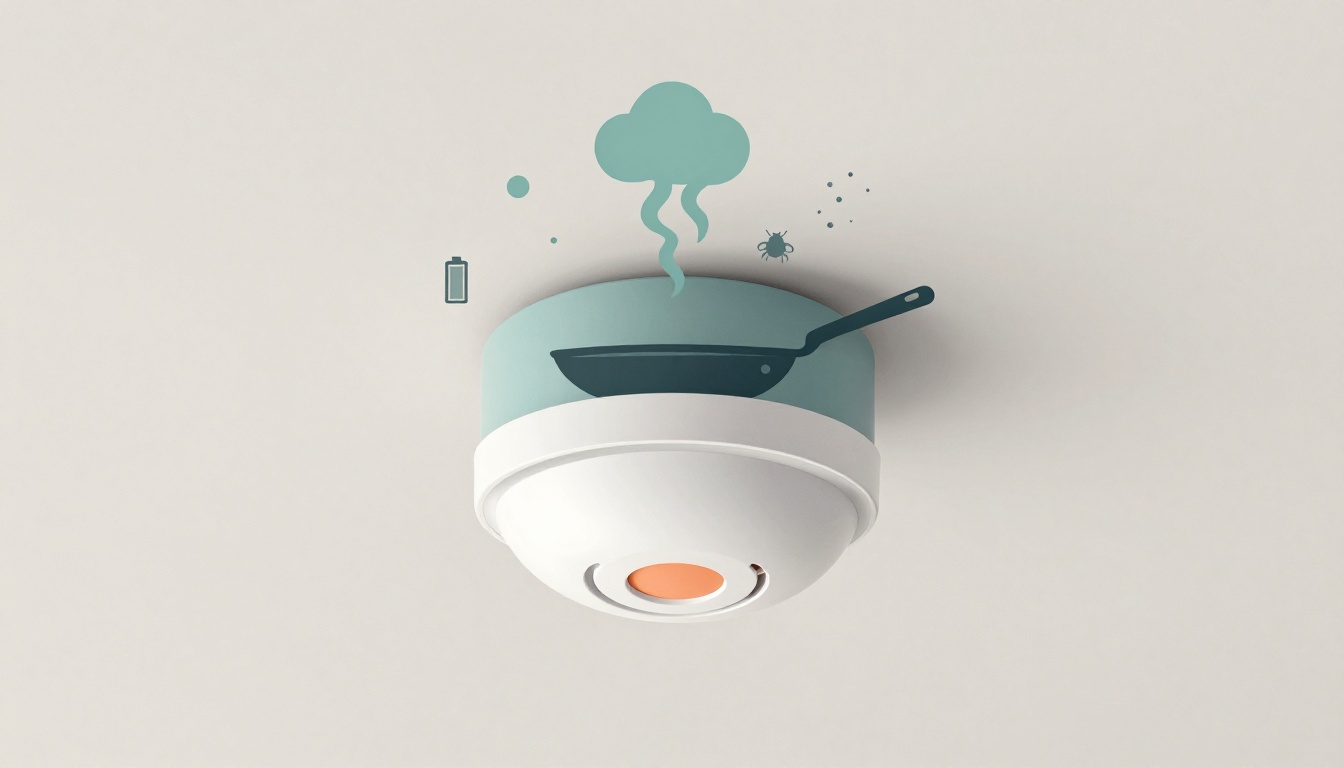
Waking up to a blaring smoke alarm is jarring, especially when it’s caused by burnt toast. False fire alarms don’t just ruin your sleep, they also create stress. In some areas, repeated nuisance calls can even lead to fines or other headaches.
The good news is that most false alarms come from a short list of common home problems. One takeaway to keep in mind: a lot of alarm activations are not real fires, often reported as over 90% in many fire-service settings. Still, you should treat every alarm seriously until you confirm what’s happening.
So what actually sets alarms off when there’s no fire? The big culprits are cooking smoke, dust and bugs, steam and humidity, weak batteries, and placement mistakes. Keep reading, and you’ll get simple fixes that can cut false alarms by a large margin.
Cooking Smoke: The Number One Culprit in Most Homes
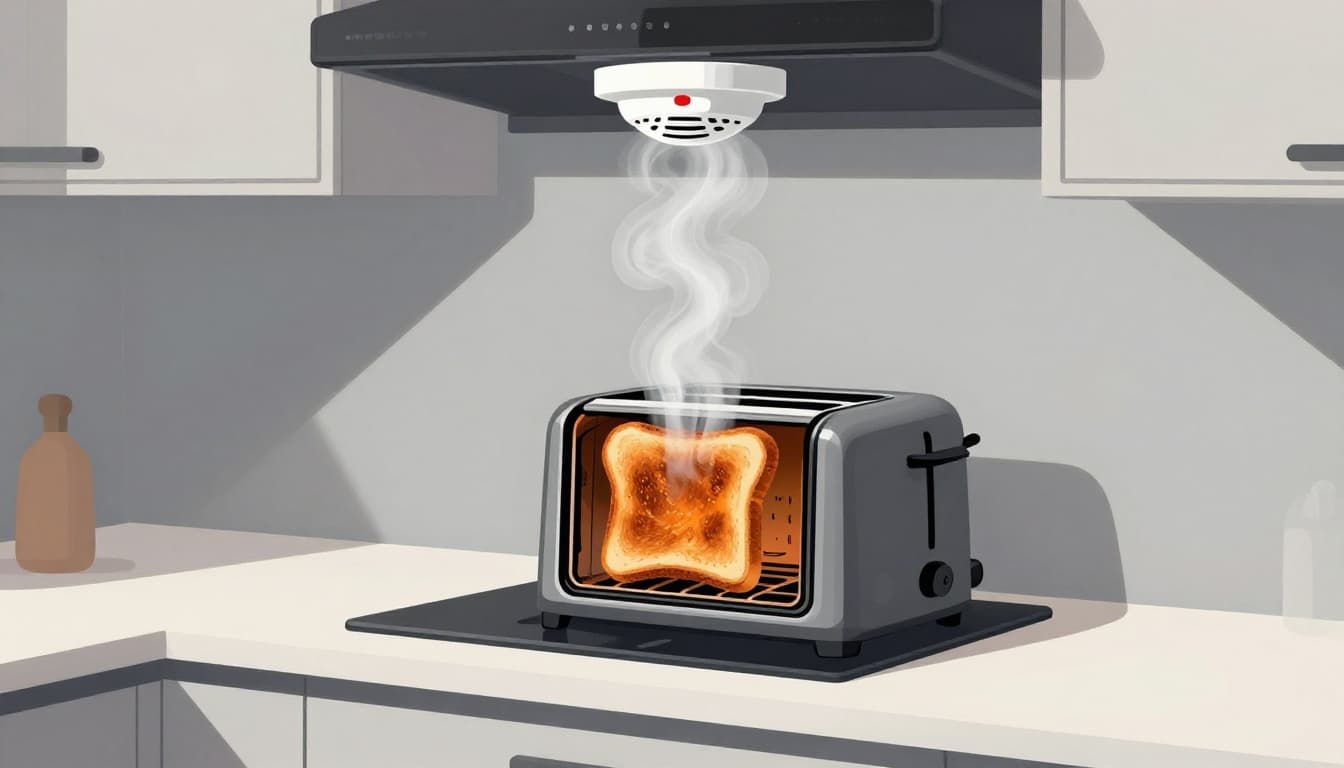
Cooking triggers false alarms because everyday smoke can look the same to a detector as early fire smoke. Toast, popcorn, and overheated pans all release tiny particles. Those particles can travel through your home and hit the sensor.
Also, the detector’s location matters. If the alarm sits close to the kitchen, it has a clear path to the smoke. As a rule of thumb, many safety guides recommend keeping alarms farther from kitchens and bathrooms (more on placement later). When the alarm is within about 10 feet of heavy cooking, false alerts become more likely.
Different smoke alarm sensors also respond differently. In simple terms, photoelectric alarms tend to react to smoldering smoke and slow buildup. Ionization alarms can respond faster to fast, flaming fires and small particles. Cooking can create a mix of both, so no type is immune.
Here’s a quick way to match the detector type to common cooking smoke:
| Smoke alarm type | What it’s better at | Why it can false-alarm during cooking |
|---|---|---|
| Photoelectric | Smoldering, smoky buildup | Cooking often produces steady, dusty smoke particles |
| Ionization | Flaming, faster smoke | Very hot bursts can spike smoke density briefly |
If you want background on why working alarms still matter, NFPA explains how smoke alarms protect people during home fires at NFPA’s Smoke Alarms in US Home Fires report. The point is simple: don’t ignore alarms, but do reduce preventable triggers.
Common cooking situations that cause false alarms
- Burnt food that “just barely” smokes, like toast, bread, or bagels
- Microwave steam or reheated grease that vents upward
- Grease splatters from stovetop cooking
- Cooking near a detector that lacks airflow, like a closed doorway kitchen
A practical step now: use the fan, crack a window when it’s safe, and turn on ventilation before heat rises. Full prevention needs both ventilation and smart alarm placement, which you’ll see later.
Burnt Popcorn and Toast Disasters
Think about toast and popcorn. They look harmless while they’re happening, but they can release a sharp plume of particles fast. Then the alarm hears it, even if the “fire” is just a scorched snack.
Drafts make it worse. If a hallway or open doorway connects the kitchen to the alarm, smoke follows the airflow path. That’s why the alarm might go off even when you’re sure you only burned something.
One more detail: some detectors get extra sensitive when they’re dirty. A thin layer of dust can trap particles and reduce the sensor’s normal “baseline.” So if you’ve had small false alarms before, a new toast incident may suddenly trigger a full alarm.
If you want a broader list of nuisance causes, the Top Reasons Your Smoke Alarm May Randomly Sound Off (BIFD) handout covers cooking-related triggers along with other everyday issues.
Stovetop and Oven Grease Fumes
Grease is tricky because it keeps producing smoke. When a pot simmers too hot, it can create a steady plume for minutes. When something spills in the oven, the residue can smoke on and off as it heats and cools.
This can confuse the detector, because the smoke feels “persistent,” like a real developing fire. However, it’s different from a typical fire in one key way: you can often still see the food or smell the specific cooking odor clearly.
Try these quick fixes during cooking:
- Lower heat when you notice smoke starting
- Turn on the range hood and keep the door open or vented (if your layout allows)
- Move the cooking process away from the alarm when possible
Later, proper placement will reduce how much cooking smoke reaches the detector in the first place.
Dust, Bugs, and Dirty Detectors That Trigger False Alerts
Dust and insects can fool smoke alarms because both can interfere with sensing chambers. Dust acts like a fake “smoke blanket” at the sensor level. Insects can crawl into openings and trip detection paths, especially if the unit sits in an older or unsealed spot.
A simple analogy helps. Imagine dust as tiny confetti. If enough confetti collects near the sensor, the detector may “think” there’s smoke buildup. Bugs do something more direct. They can block airflow and trigger the alarm’s internal logic.
In 2026, home changes like deep cleaning and renovations keep adding dust to the air. Even if the work seems focused, dust can drift into hallways and bedrooms. That’s why you might hear alarms during or right after cleaning.
Insects Invading Your Smoke Alarm
Bugs often get in through small gaps. They also like warm, dark spaces inside and around alarm units. In older alarms, the openings can be wider, or the sealing may have weakened over time.
If an alarm goes off repeatedly after dusk or during warm weather, insects are a likely suspect. In many cases, careful vacuuming around the unit and cleaning the alarm exterior helps. If the alarm keeps acting up, it might be time to replace the unit, especially if it’s near its end-of-life date.
If you want a quick reset, always switch off the alarm power first (or remove the battery) before cleaning inside. Never blow air into the chamber. That can scatter dust deeper.
Dust Buildup from Everyday Life
Dust doesn’t only come from big messes. It also comes from daily life. Pet hair, HVAC airflow, and normal wear all add particles. Over time, alarms become more sensitive, and false alarms can happen sooner.
Cleaning is the low-effort fix that many people skip. A light vacuum near the alarm (without touching internal parts) can help reduce triggers. For homes with frequent dust, you may need it more often.
During renovations, treat alarms like “no-go zones.” If you can safely cover alarms during dusty work, do it. Then remove the cover and clean again afterward. If you live in a building with shared systems, construction dust can also affect alarms across units, not just the worksite room.
Steam, Humidity, and Batteries: Hidden Triggers You Ignore
Some alarms go off after a hot shower, a steamy laundry session, or cooking that vents poorly. Steam creates water droplets in the air. Those droplets can scatter light inside photoelectric alarms or affect other sensing behavior.
Humidity has also been rising in many areas, along with more extreme weather patterns. When indoor air stays damp longer, the detector is more likely to react. That’s why bathroom-near alarms and laundry-room-adjacent alarms tend to misbehave.
Then there’s the battery issue. People notice a chirp, ignore it, and assume it will stay quiet. It doesn’t. Low battery warnings can escalate into full alarms, which feels like the unit “suddenly hates you.”
Why Low Batteries Cause Random Blasts
Low battery alerts start small. You may hear a chirp every so often. If you don’t replace the battery, the unit can start triggering louder alarms.
When the battery voltage drops, the alarm’s internal electronics can behave unpredictably. The result can look like smoke detection, even with no smoke in the air.
A good habit is monthly quick checks. Then set a reminder for battery swaps.
Even if your unit is hardwired, it may still have a backup battery. So you should still check it, not just the main power connection.
Humidity and Steam Sneaking In
If your alarm sits too close to a shower, steam can rise right into it. That’s especially true if the bathroom door stays closed and there’s little ventilation.
Here’s what helps most:
- Run the bathroom fan during showers (and for a bit after)
- Keep the bathroom door open if it doesn’t create risk
- Place the alarm away from direct steam flow
- Use a fan that actually moves air, not just noise
If you’ve had a false alarm after hot water use, you’re not imagining it. Steam can be enough to trigger nuisance alerts. Fixing placement and airflow usually beats “hoping it stops.”
Poor Placement and Other Sneaky Causes to Watch For
Even the best smoke alarm can fail your home if it’s placed wrong. Placement mistakes are one of the easiest ways false fire alarms happen. They also explain why the same home might get frequent alarms in one hallway, but fewer alerts in another.
There are also other sneaky triggers. Fireplace smoke, cleaning vapors, and painting fumes can reach the alarm. If the detector is old, sensors can drift out of calibration. In buildings, wiring issues or shared ventilation paths can also trigger nuisance alerts.
And yes, drafts matter. Air movement can carry cooking smoke to an alarm you thought was “safe.”
Where Not to Put Your Smoke Alarms
Placement rules vary by manufacturer, but these spots commonly cause trouble:
- Right next to kitchens: cooking smoke travels farther than you think
- Right next to bathrooms or showers: steam can trigger alarms
- Near strong drafts: doors, ceiling fans, vents, and open windows
- Above fireplaces: soot and smoke particles are common
- In direct sunlight: heat changes sensor response over time
If you can, place alarms in locations that match their job, like near sleeping areas and on correct ceiling heights. Many homes use a combination of alarm types, which can reduce nuisance triggers while keeping coverage solid.
A placement tip that saves money: if one alarm keeps false-alarming, don’t just “ignore it.” Move it (when allowed) or replace it with better location matching.
Chemicals and Fireplace Fumes
Cleaning sprays, paint fumes, and solvent-based products can set off smoke alarms. Even “low odor” products still release particles and vapors. When those reach the sensor area, the alarm may respond.
Fireplace smoke can also contain fine particulates. If your chimney vents dirty or the damper doesn’t seal well, those particles can hang around longer than you expect.
Also watch for seasonal habits. If you burn candles often during holidays, or you grill with smoky smoke, alarms can pick up residue on nearby airflow paths.
If you recently used chemicals near the alarm, treat the alarm as contaminated until you’ve cleaned the unit exterior carefully. If the problem persists, replacement may be the safest path.
Easy Ways to Prevent False Fire Alarms Starting Today
You don’t need a total home remodel to cut nuisance alarms. Most fixes are simple, low-cost, and repeatable.
Think of it like allergy control. You can’t remove pollen forever, but you can reduce exposure. Smoke alarms work the same way. Reduce smoke particles reaching the unit, and keep the unit clean and powered correctly.
Here’s a step-by-step plan that works for many homes:
- Check placement first. Move alarms away from kitchens, bathrooms, and vents when possible.
- Clean monthly with a gentle vacuum around the alarm. Dust is the silent trigger.
- Change batteries twice yearly, even if the alarm “seems fine.”
- Vent cooking and steam before you heat up. Use fans early, not after smoke appears.
- Test monthly so you notice problems early, not during bedtime.
- Replace alarms on schedule (often around 10 years). Aging units drift and misread.
For practical guidance that targets nuisance alarms, see False Alarms: Smoke & Carbon Monoxide Detectors Nuisance (First Alert). Basic maintenance can dramatically reduce false alerts, and some guides cite reductions up to around 80% with consistent placement, cleaning, and battery care.
One more safety note: when the alarm sounds, act first. Check for real smoke or fire. If it’s clearly cooking smoke, ventilate, step back, and confirm the alarm resets.
Conclusion
False fire alarms usually come from everyday sources: cooking smoke, dust, bugs, steam, weak batteries, and placement issues. The pattern is consistent, and the fixes are straightforward.
Most importantly, keep your safety mindset. Treat alarms seriously at first, then use what you learned here to prevent the next nuisance event.
If that blaring wake-up from burnt toast feels too familiar, inspect your alarms this week. Check placement, replace batteries, and clean dust buildup before cooking season ramps up again.