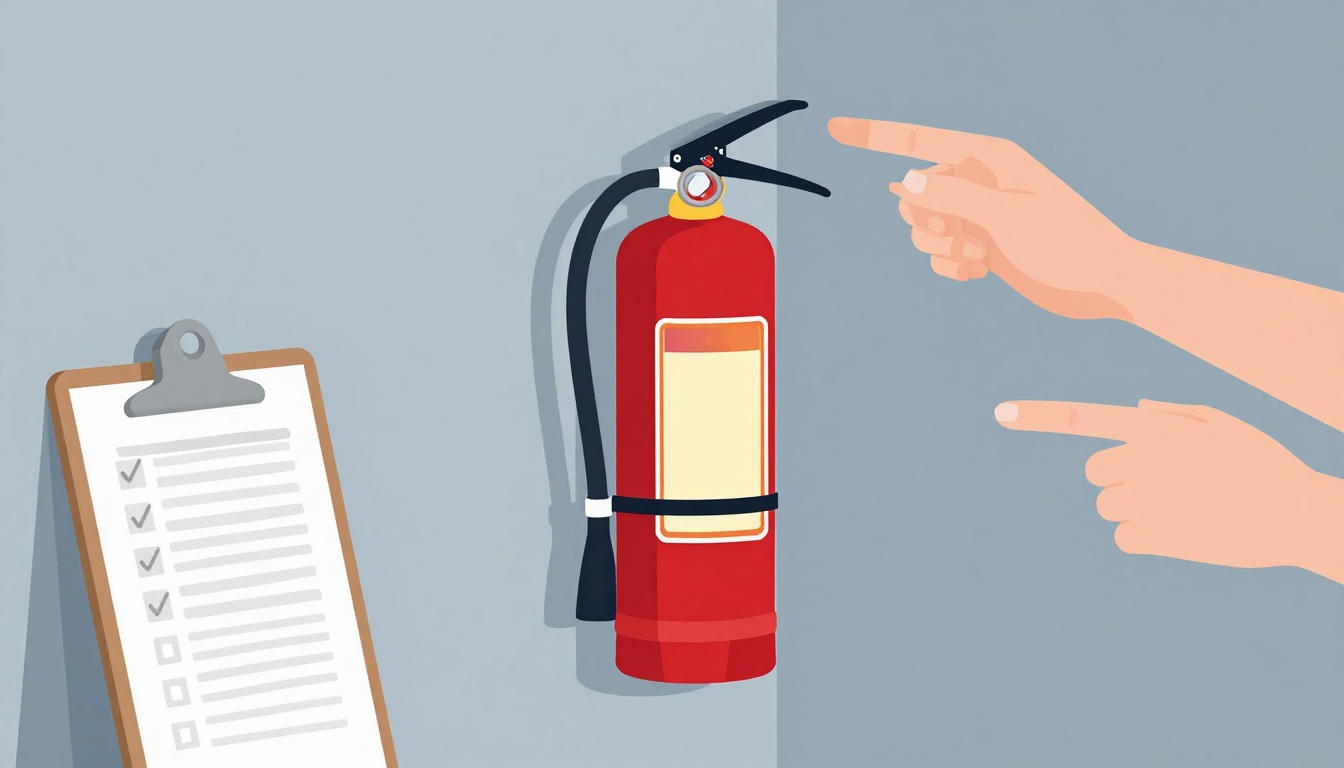
In 2025, a small kitchen fire started after someone left the stove on too long. The flames stayed low, but the smoke got thick fast. A working extinguisher was mounted in the right spot, so the team didn’t waste time searching. They used it, knocked the fire down, and called for help right after.
That story sounds simple, but it’s not luck. In the U.S., NFPA reports hundreds of thousands of home structure fires every year. For example, in 2024 there were about 329,500 home structure fires, plus 2,920 deaths (and a fire every 96 seconds). Most people never plan for a fire, yet the consequences are huge when equipment fails or goes out of date.
Here’s the good news. Most “equipment failures” come from missed maintenance, not from the extinguisher brand or model. A gauge can drift out of range. A hose can get blocked by clutter. A tag can go missing. Even the best extinguisher won’t help much if nobody checks it, records it, and stores it where it can be reached quickly.
So how do you keep your fire equipment ready, month after month? You follow a clear inspection schedule (based on NFPA 10), store gear so it stays visible and protected, train staff on basic checks and use, and track everything with newer monitoring options when they fit your site.
Below, you’ll get a practical routine you can run in a home, a small shop, or a larger business. The goal is simple: when something goes wrong, your gear is ready to do its job.
Follow the NFPA Inspection Schedule Step by Step
In the U.S., NFPA 10 is the standard most people point to for portable fire extinguishers. It covers inspection, maintenance, and testing, and it explains who owns what. Owners and managers have responsibilities, but certified technicians handle the deeper work.
Think of NFPA 10 like a maintenance clock. You don’t wait for a problem to start the next check. Instead, you run the schedule so small issues show up early, while fixing them still takes minutes.
For a quick baseline on inspection, testing, and maintenance, the NFPA has a plain-English overview in NFPA’s guide to fire extinguisher ITM. Use it as a reference, then build your own local routine.
For many workplaces, your rhythm looks like this:
- Monthly: quick visual checks plus basic readiness checks
- Annual: pro maintenance by a qualified technician
- Due testing: hydrostatic testing intervals based on extinguisher type
This keeps your extinguishers effective and helps you stay compliant with local requirements (your local AHJ may add rules). Now let’s make the monthly checks realistic and easy.
Do Monthly Visual Checks in Just Minutes
Monthly checks are fast, but they should not be sloppy. A five-minute look can prevent a much bigger problem later. Also, the 2026 NFPA 10 updates allow more sites to use electronic monitoring devices instead of doing the hands-on “weight/feel” check every 30 days. Still, until your local adoption and site setup allow it, keep the standard routine.
Here are the 10 key items to check each month:
- In place: it’s mounted where it should be
- Visible and signs of access: you can reach it quickly
- Not blocked: no stored items or trash in the way
- Gauge is in the green range (for pressure gauges)
- Feels full by weight (hefting) or meets your approved monitoring method
- Seals intact: no broken tamper seal
- No damage or corrosion: no dents, rust, cracks, or leaks
- Instructions clear and facing out
- Hose and nozzle look OK: no heavy cracking or kinks
- Wheeled units are steady: tires, wheels, and handles look right
If you’re doing the hefting test, keep it gentle and consistent. Train the same staff member, or rotate with a quick script, so checks stay similar month to month. For non-rechargeable push-to-test units, follow the device’s design and don’t treat them like refillable equipment.
If you want a ready-to-use checklist format, InspectOps has a helpful summary in the complete fire extinguisher inspection checklist (NFPA 10). Use the structure, then match it to your actual extinguisher types.
Get Annual Pro Maintenance Every Year
Annual maintenance is where the “looks good” extinguisher gets tested for hidden problems. Monthly checks catch what you can see. Annual service checks what you can’t.
A certified technician typically performs a full external exam, verifies key components, and checks the extinguisher’s internal parts. They also confirm the agent condition and replace items like seals when needed. Then they add a service tag with the date and technician info.
This matters because some failures don’t announce themselves. A clogged nozzle, a worn internal seal, or minor corrosion can reduce performance even when the unit still looks fine.
DIY helps for cleaning and recordkeeping. It does not replace annual pro work, because the work often involves internal inspection, controlled disassembly (when permitted), and verified testing. If you skip annual service, your logs become weaker, and your risk goes up.
Know When Hydrostatic Testing Is Due
Hydrostatic testing is simple to explain, even if it’s technical to do. It’s a pressure test that checks for leaks or weaknesses in the extinguisher cylinder.
Your timing depends on the extinguisher type. Common intervals include:
- Water-based (and many similar types): every 5 years
- Dry chemical (including many ABC/BC units): every 12 years
- Some other configurations have different internal checks (and certain stored-pressure categories may use additional intervals)
Because schedules vary by type and construction, don’t guess from memory. Use NFPA 10 and your extinguisher label, and let a qualified pro confirm the correct due date. If you want a quick starting point for the 2026 standard and how it’s framed, see NFPA 10, Standard for Portable Fire Extinguishers (2026).
Store Fire Gear Where It Stays Reliable
Even the best extinguisher fails if it can’t be found fast. Storage isn’t a minor detail. It’s part of readiness.
Bad storage causes delays, and delays kill small fires before you ever get control. A unit mounted behind cabinets, tucked behind shelving, or shoved behind a stacked cart becomes “available” only in theory.
So treat storage like you treat exits. You don’t put exits behind locked doors. You don’t block extinguishers either.
Choose Spots That Are Easy to Reach Fast
Put fire extinguisher locations where people naturally walk. Pick spots with fast access and clear visibility.
Also, follow mounting guidance for height and approach. Many guidance sources reference a common mounting band and access rules, but local codes and NFPA 10 requirements still matter. A practical height reference is in where to mount fire extinguishers (height guide).
Key placement habits that keep gear reliable:
- Designate a spot and keep it consistent
- Use visible placement or signage so people find it under stress
- Never block access with carts, boxes, or seasonal storage
- Keep instructions facing out
- Wall mount so most adults can reach it without a ladder
- Use floor placement for wheeled units where they can roll out quickly
Most people don’t realize how often “temporary” storage becomes permanent. If you hear the phrase, “We’ll move it later,” treat that as a red flag.
Watch for Damage and Follow Disposal Rules
Storage also affects wear. Moisture can drive corrosion. Heat can damage valves and hoses. And corrosive areas shorten extinguisher life.
During checks, look for:
- rust on the cylinder or brackets
- residue around the valve
- leaks (wetness, staining, or pressure loss symptoms)
- clogged hoses or stuck nozzles
Now add records and disposal. When a unit becomes condemned (damaged beyond safe use or failed testing), dispose of it properly. The 2026 edition includes updates that clarify condemned extinguisher disposal requirements in Chapter 8. Your technician can handle the end-of-life steps, but your job is to keep records current and remove condemned units from service right away.
Train Your Team to Handle Checks and Emergencies
A checklist helps, but training turns it into action. If staff don’t know what “ready” looks like, they’ll skip the details. If they never practice, stress can freeze them.
NFPA 10 expectations align with a simple staffing idea: the right tasks go to the right people. Monthly checks may be staff-led. Annual service should go to pros. Emergency response should match training and your written fire plan.
Teach Simple Checks and Basic Use
Start with hands-on training. Show staff how to spot issues fast during the monthly routine.
For basic use, teach a clear method such as PASS:
- Pull the pin
- Aim at the base of the flames
- Squeeze the handle
- Sweep side to side
Pair the method with extinguisher types in your building. A kitchen may use one type often. Electrical risks may be handled with another type. Staff don’t need engineering degrees, but they do need clear guidance for your specific gear.
Annual refreshers keep skills from fading. If you bring in new employees, add extinguisher basics to onboarding so readiness stays consistent.
NFPA also offers public guidance and resources. Use them to support your training and keep your materials aligned with current expectations.
Owners: Make Sure Records Stay Current
Records are part of readiness. They prove you did the checks, and they help technicians service the correct unit on schedule.
Keep:
- service tags and maintenance dates
- inspection logs (monthly checks)
- annual maintenance receipts and tech notes
- extinguisher locations by room or zone
Also, confirm what your local AHJ wants for documentation. Requirements vary by state and city. If you don’t know, ask your inspector or fire marshal early, not after a visit.
Digital tracking can help. Apps and cloud systems reduce the “we lost the paperwork” problem. They also make it easier to spot missed months.
Use 2026 Tech Updates to Make It Easier
Newer tools can cut down busywork, especially for large sites with many extinguishers. In 2026 updates, electronic monitoring options are getting more attention, so some checks can shift away from repeated hands-on verification at every 30-day mark.
That’s helpful when you manage hundreds of units. It also helps you spot problems sooner, like a low-pressure unit or a missing tag.
How Digital Monitoring Spots Problems First
Electronic monitoring devices can track conditions like pressure (and sometimes location or tamper signals). Then alerts can go to a dashboard or an assigned person.
That changes the pace. Instead of discovering issues during the next monthly sweep, you may catch them same-day. In the long run, this can save time and reduce paperwork gaps.
Still, digital monitoring does not remove the need for a monthly routine everywhere. Follow what NFPA 10 and your local adoption allow. Then pair monitoring with simple staff checks for consistency.
Stay Ahead of Common Pitfalls Like Expired Gauges
Most “surprises” are avoidable. The pattern repeats across facilities, and it usually starts with one of these problems:
- Low pressure that slowly drifts out of range
- Missing service tags or unclear maintenance dates
- Blocked access because storage expands around the extinguisher
- Damage or corrosion that builds over time
- Expired schedules where nobody tracked due dates correctly
Fixing these is mostly boring work, which is good. Routine checks catch problems early. Pro service keeps internal parts reliable. Smart storage prevents delays.
Conclusion
A working extinguisher can stop a small fire before it grows. In real life, that happens because someone followed a routine, not because luck showed up.
Start with monthly visual checks, then book annual pro maintenance on schedule. Store your gear so it stays visible and reachable, train staff on basic checks and use, and track everything so no unit slips through cracks.
Today, do one quick audit: walk your site, verify placements, and confirm tags and next service dates. Then schedule what’s missing.
When the next kitchen smell hits, you’ll want one thing to be true. Your fire equipment is ready, and your team knows what to do.